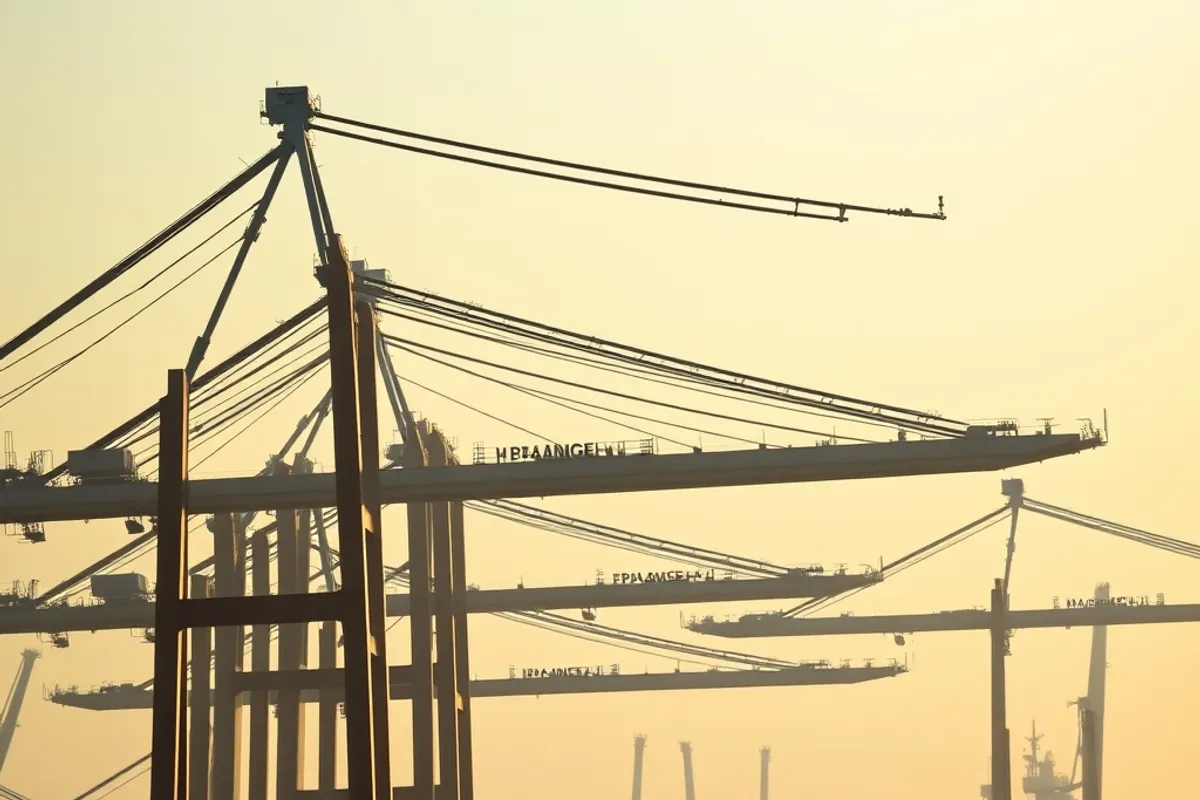
World Updates: Grain Corridor Deal Calms Global Food Prices

A renewed agreement allowing grain shipments through a key corridor pushed wheat and maize prices lower this week, offering relief to import-dependent countries and to farmers who had been storing last season's crop in hope of a better market.
What the deal changed
The corridor agreement, renewed for twelve months, restores a predictable inspection and transit process for vessels carrying grain from some of the world's largest producers. More than three hundred ships have moved since the renewal, and port queues that had stretched for weeks are shortening.
The immediate effect was psychological as much as physical. Futures markets fell on the news, and importers who had been paying a risk premium began to renegotiate contracts.

Why prices are still fragile
Lower prices do not mean stable ones. Shipping insurance remains expensive because underwriters price the risk of disruption rather than the agreement itself. Weather is the other wild card: a poor harvest in any major producing region could erase the gains within a single season.
Traders also warned that the corridor's renewal is not permanent. Twelve months gives buyers enough confidence to book shipments but not enough to justify long-term investment in storage or transport.

The view from the farm
For producers, the deal arrived at an awkward moment. Many had held grain back, betting on higher prices, and the sudden fall caught them mid-decision. Cooperatives reported a rush of selling as farmers locked in what they could.
Input costs remain high, particularly fertiliser and diesel, so a lower selling price squeezes margins. Agricultural groups asked governments to expand storage support so that farmers are not forced to sell into a weak market.

Who benefits most
Import-dependent countries in North Africa and parts of Asia benefit most, because grain is a large share of their food bill and currency pressure makes every price rise painful. Aid agencies also welcomed the news, since procurement costs for food assistance had climbed sharply.
Consumers in richer countries may see only a small effect at the shop, because retail prices lag commodity markets and are shaped more by energy, labour and packaging costs.
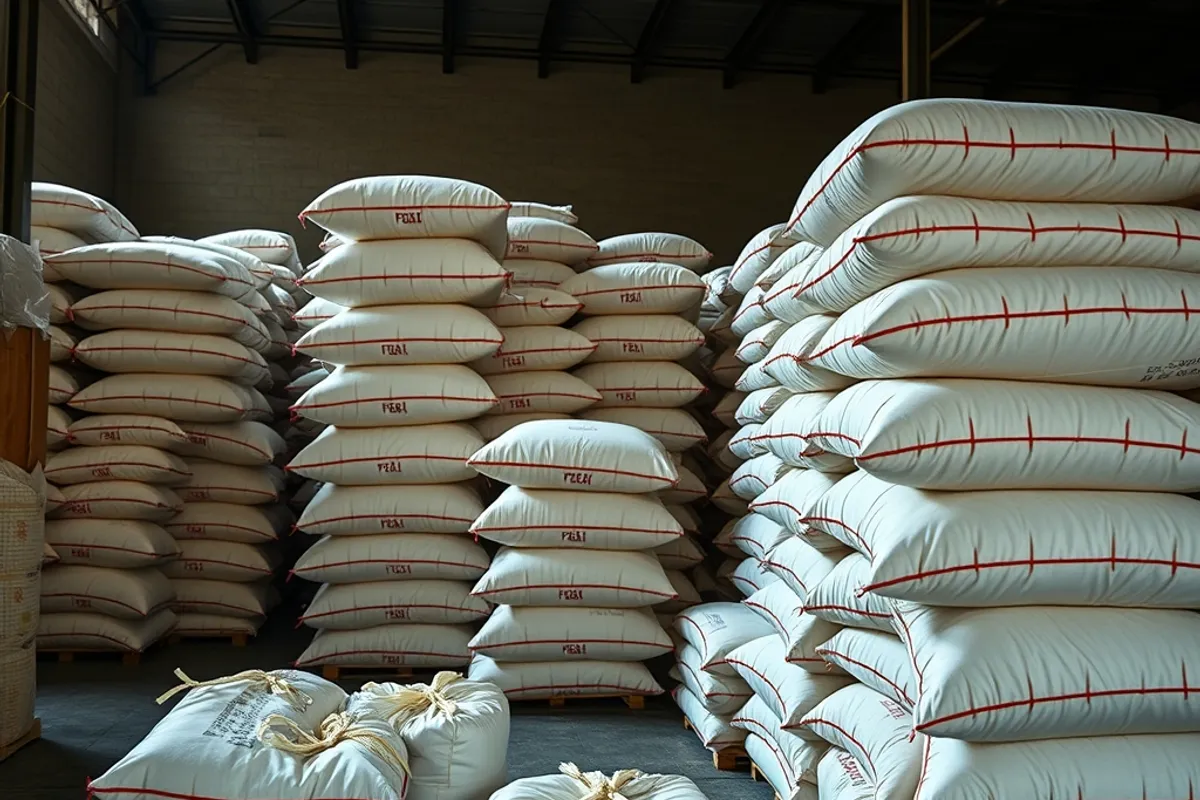
For importing nations, the bigger prize is predictability. A stable corridor lets governments plan food subsidies and lets millers hold smaller, cheaper inventories instead of paying for emergency stock. That saving is invisible on a price board but real on a national budget, and it is the main reason finance ministries welcomed the renewal more loudly than farmers did.
What to watch next
The next milestones are the first full month of smooth inspections, the winter insurance renewal and the planting decisions farmers make in the coming weeks. If all three hold, prices could stay calmer into next year.
For now, the corridor has done what diplomacy rarely does: it lowered the price of something people need to eat. The test is whether that calm survives the first bad harvest or the first political shock.
For official guidance, see AP food and trade coverage.
Food prices follow ships, and ships follow certainty.leroyauyeung
We cross-check our reporting against primary documents and independent outlets. For international coverage see Reuters, and for breaking news from the region see Associated Press.