Public Affairs: Open Records Law Tests City Transparency

A tougher open records law took effect this year with a simple promise: if the city spends public money, the public should be able to see the paperwork. The first major release under the new rules shows that promise is being kept unevenly, and that the weakest link is often documentation rather than willingness.
What the law requires
The law shortens the response deadline to twenty working days, requires contracts above a set value to be published in a searchable format and obliges departments to keep minutes of internal decision meetings. It also creates a penalty for repeated non-compliance, which is the provision that changed behaviour fastest.
Officials say the intent is not to generate paperwork but to make existing decisions traceable. In practice, that means departments that relied on informal conversation now have to write things down.

The first audit results
Of eighteen departments audited, eleven met every requirement, four were partially compliant and three could not produce complete records for at least one major contract. The failures clustered around procurement and property, where decisions often pass through several hands.
None of the gaps pointed to deliberate concealment. They pointed to systems that were never designed for public view: scanned documents without text, spreadsheets with no version history and meetings summarised in a single line.

Residents in the reading room
The reading room has become an unexpected test of the law. Residents, journalists and small contractors now queue to inspect files that were previously available only through formal requests. Staff have added scanning stations and a booking system to cope.
One local builder said the records helped him challenge a tender he believed was written for a single supplier. A neighbourhood group used meeting logs to trace why a park upgrade was delayed. These are modest victories, but they are the kind the law was written for.

Where compliance still slips
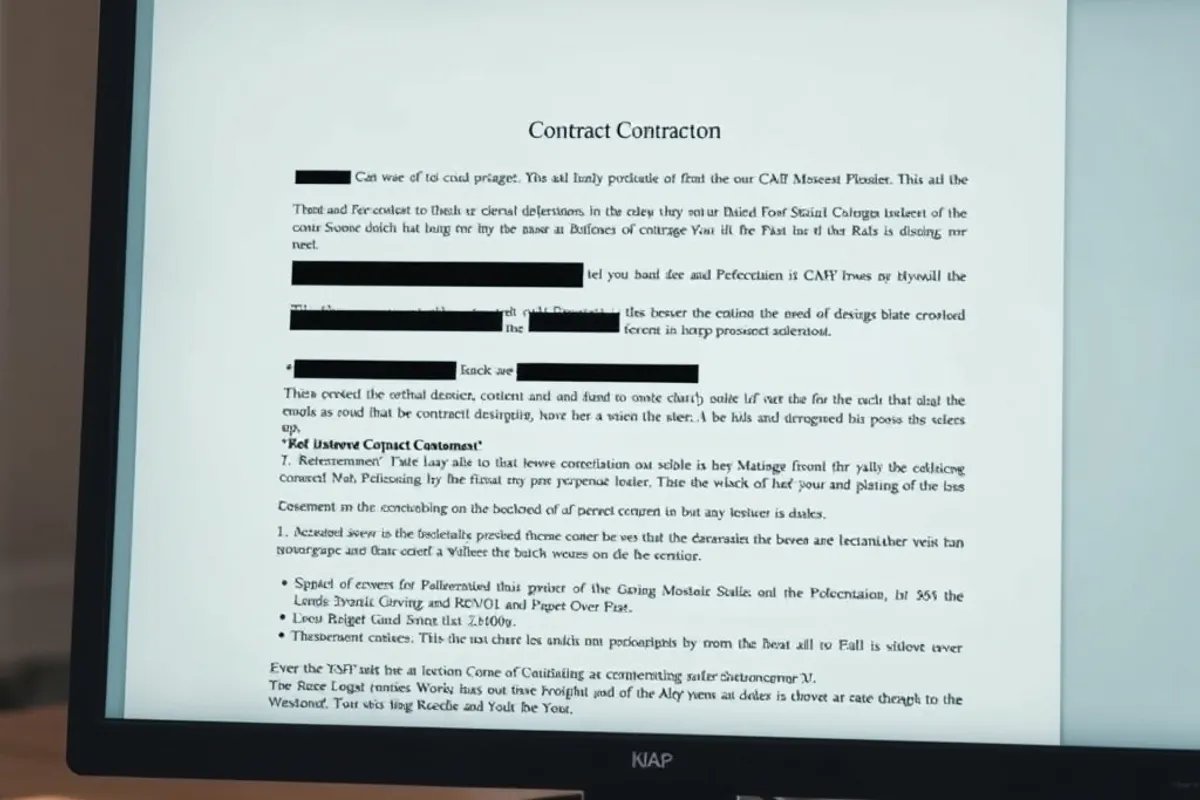
Redaction remains the most contested area. Departments must remove personal and commercial secrets, but the rules leave room for judgement, and the audit found inconsistent practice. Some offices redacted entire pages where a single line would have sufficed.
Advocates have asked for a standard redaction template and a short public log explaining each withheld item. Officials say both are under consideration and could be in place before the next audit.
What happens next
The council will review the audit next month and decide whether to fund a central records team or leave compliance with individual departments. Funding is the crux: the law created obligations without new money, and the workload is real.
The bigger question is cultural. A law can force publication, but it cannot force a department to keep good notes. If the next audit shows improvement, it will be because managers changed how they work, not because the deadline got shorter. That is the slower, less photogenic part of transparency, and it is the part that decides whether the law matters.
For official guidance, see Reuters governance coverage.
Transparency is not a press release; it is a filing cabinet someone can actually open.leroyauyeung
We cross-check our reporting against primary documents and independent outlets. For international coverage see Reuters, and for breaking news from the region see Associated Press.