Morning Brief: New Transit Plan Reshapes City Commutes
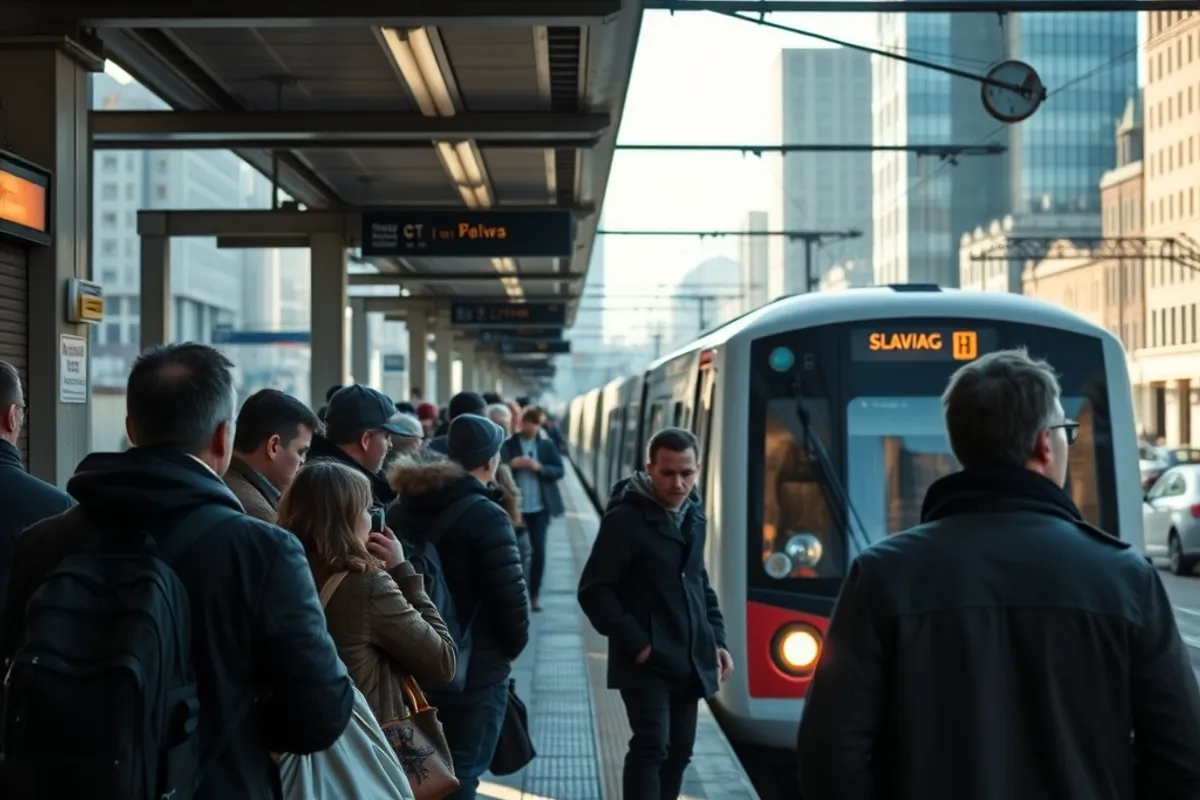
The city opened the week with its most detailed transit announcement in years, a five-year plan that mixes new night service, two rebuilt rail junctions and a gradual rewrite of parking rules around the downtown core. Officials framed the package as a reliability programme rather than an expansion, and the language matters: most of the money goes to making existing trips more predictable.
What changes first
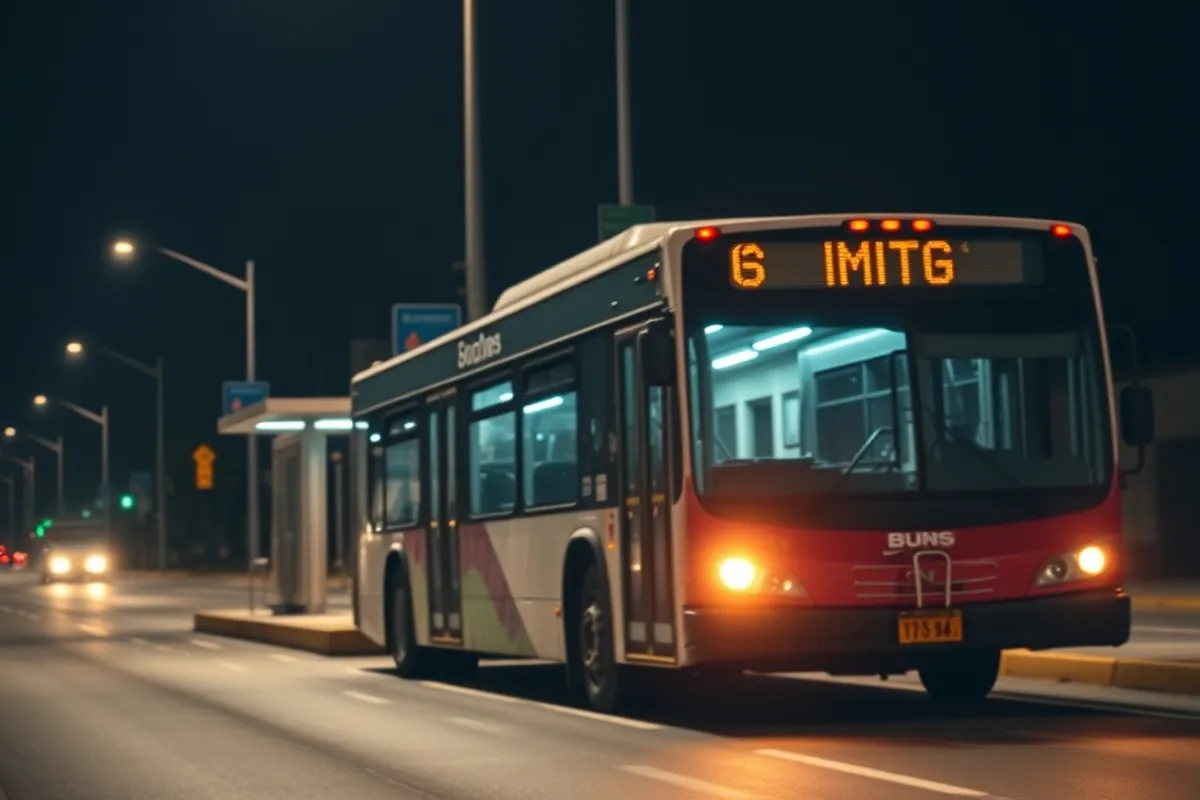
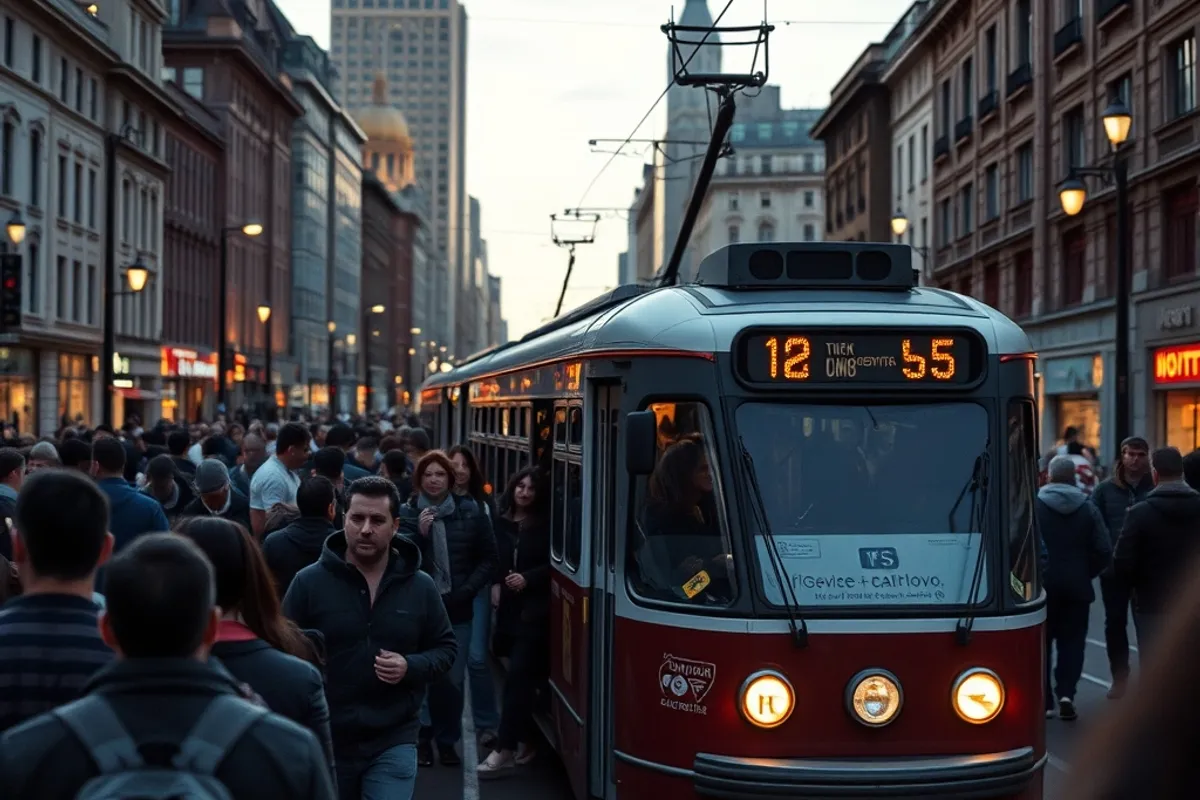
The first visible step is a night bus network that adds twelve routes after midnight, connecting the central station with hospitals, warehouses and the outer residential districts. Transport officials say the routes were chosen from fare-card data showing where late shifts end and where the last regular service currently stops.
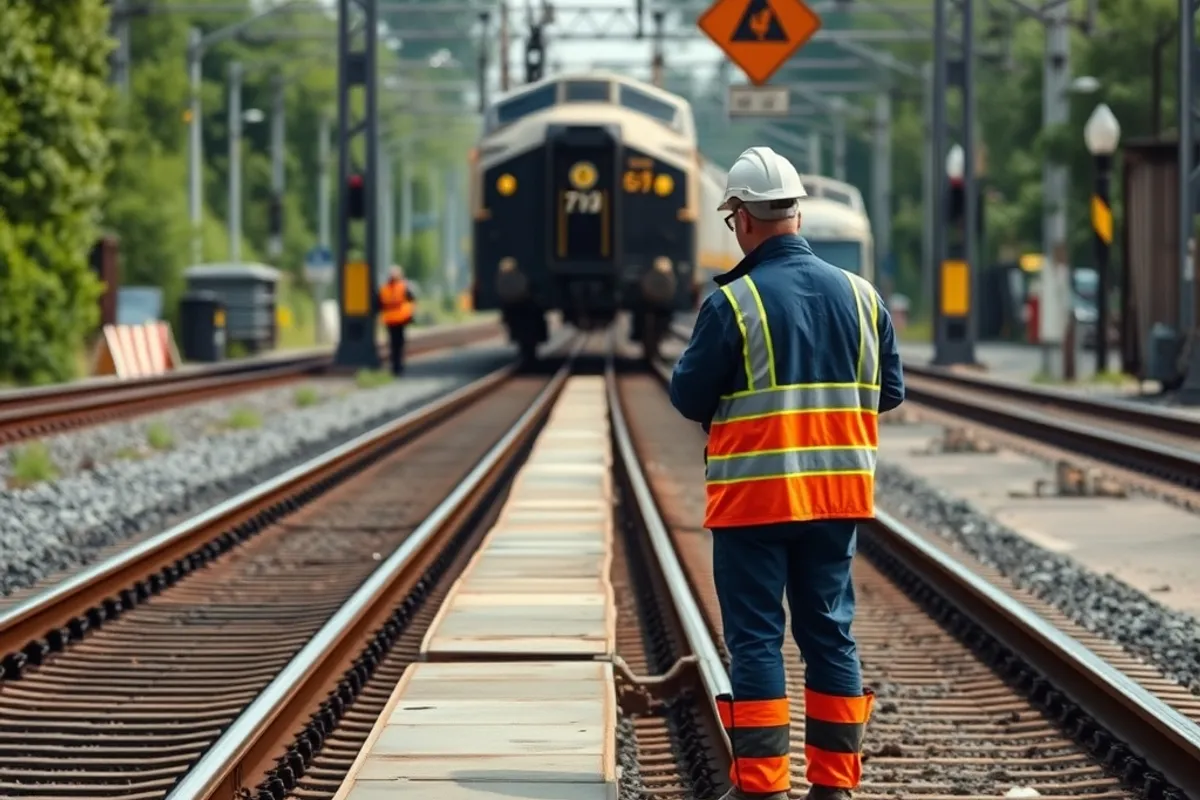
Two rail junctions are scheduled for reconstruction over the next eighteen months. Both are bottlenecks that force trains to wait during peak hours, and both have been on engineering wish lists for more than a decade. The work will temporarily reduce peak capacity, which officials concede will make the next two winters harder before they get easier.
Parking rules and the downtown squeeze
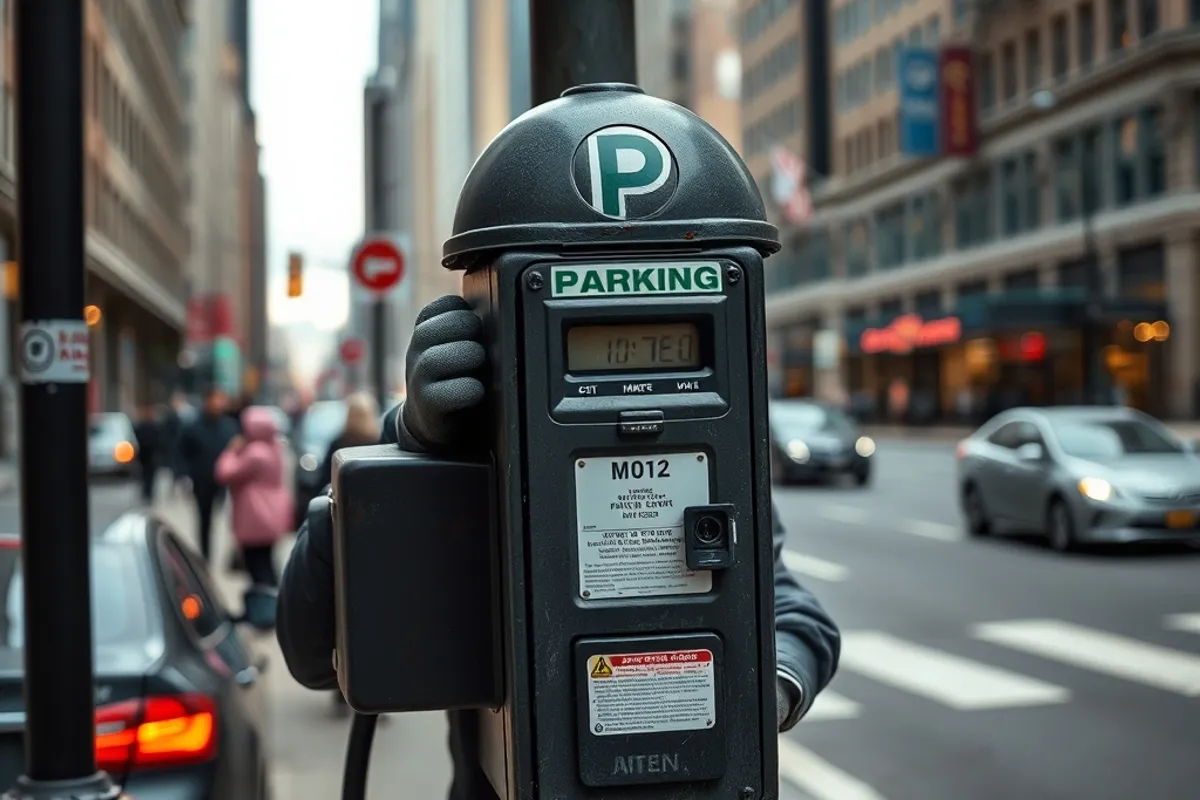
Parking is the part most residents will notice. The plan replaces older meters with app-based payments and introduces a tiered rate that charges more during the busiest hours. The city argues this will free up short-stay spaces and reduce the circling traffic that contributes to congestion.
Retail groups have asked for a longer transition, warning that drivers who cannot easily pay by phone may simply avoid the centre. Officials countered that a cash option will remain at every block and that the first three months will be warning-only.
How the plan is funded
The package leans on a mix of existing capital budgets, a modest increase in the transport levy and national infrastructure grants. No single source covers it, which is why the timetable is staged rather than announced all at once. The night bus routes begin this autumn, the junction work runs through next year, and the parking changes roll out district by district.
Independent analysts welcomed the emphasis on reliability but warned that operating costs are the harder problem. New routes are easy to launch and expensive to keep running, and the plan includes a review point after two years.
What it means for commuters
For most people the practical effect is a faster, less fragile trip rather than a dramatically shorter one. The junction rebuilds should cut peak delays once complete, and the night network gives late-shift workers an alternative to expensive rides home. The trade-off is disruption during construction and higher parking costs in the core.
Officials promised quarterly public updates and a dashboard showing on-time performance by route. Readers who rely on a specific line should check the detailed timetable before the October launch, because the first phase changes departure times on several existing routes as well as adding new ones.
What happens next
The council votes on the funding package next month, and the night routes begin operating on a trial basis in late October. The junction contracts are expected to be awarded before the end of the year. If the trial routes fail to meet ridership targets, the plan allows them to be adjusted rather than cancelled outright.
For now, the clearest signal is the sequencing. The city is fixing the parts of the network that already carry the most people before it promises anything new on the map, and that is a more honest test of whether the plan will survive contact with a Monday morning.
For official guidance, see Reuters transport coverage.
A transit plan is only real when the first bus actually shows up on time.leroyauyeung
We cross-check our reporting against primary documents and independent outlets. For international coverage see Reuters, and for breaking news from the region see Associated Press.