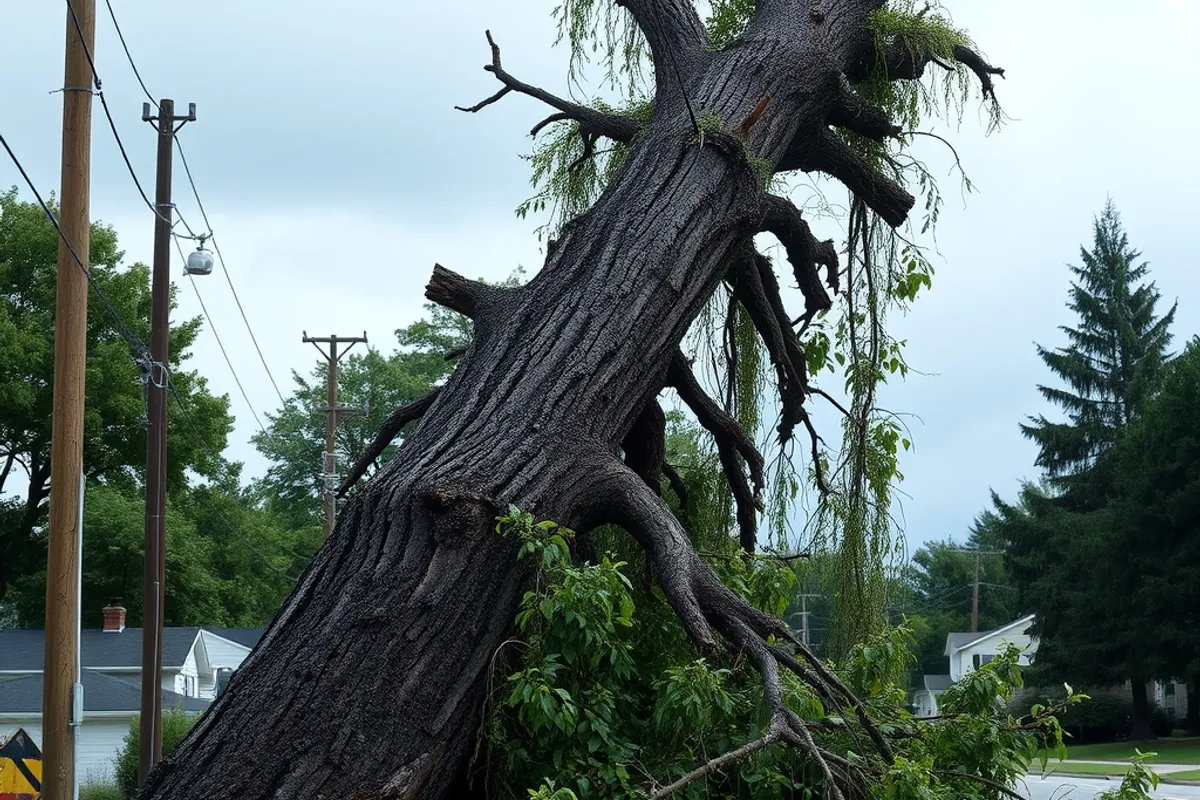
Public Affairs: Council Weighs Fees Before Utility Upgrade
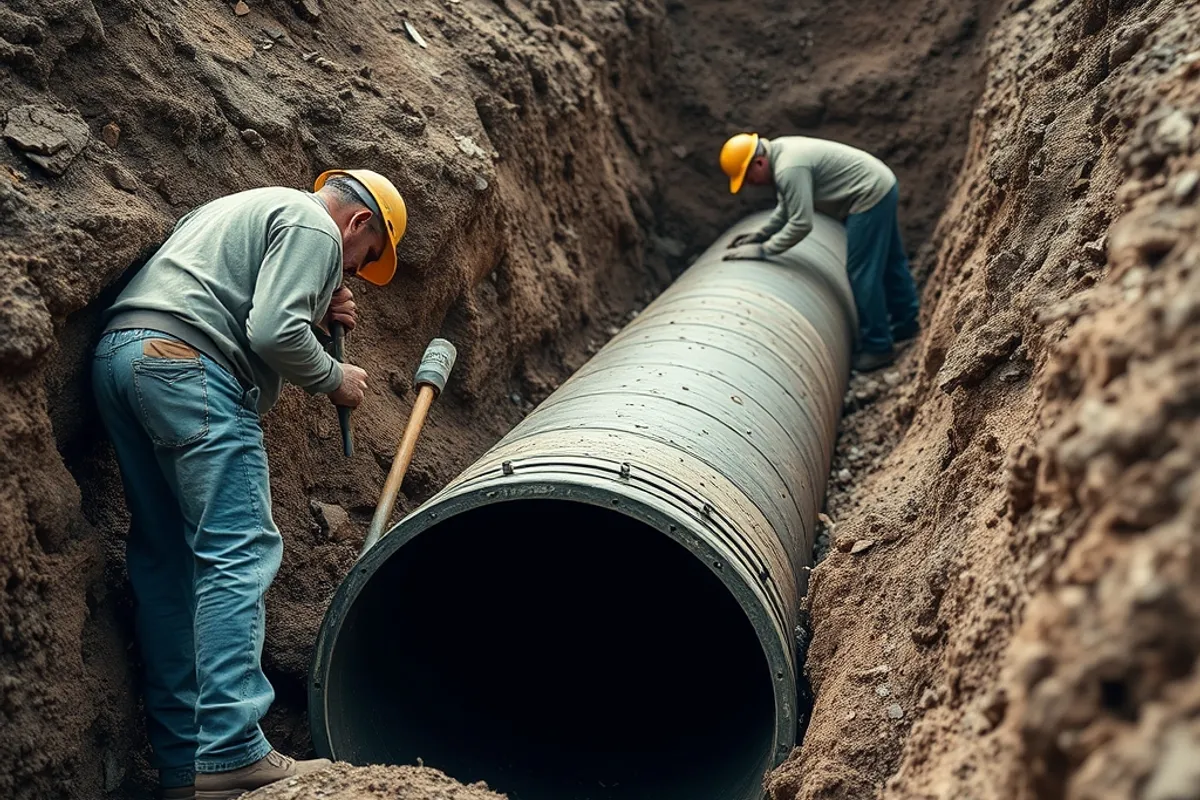
The council is weighing how to pay for a water and sewer upgrade expected to cost three hundred and ten million dollars, and the debate has turned on a question with no easy answer: should new development pay for capacity it will use, or should existing ratepayers carry a system that has served them for decades?
Why the upgrade cannot wait
Parts of the network are up to seventy years old, and the utility has logged a rising number of emergency repairs. A main break last winter forced a boil-water notice across several neighbourhoods, an event officials describe as a warning rather than an exception.
The plan replaces the oldest pipes, adds capacity for planned housing and builds a new pump station to maintain pressure during peak demand. Engineers say delaying the work would raise costs later, because emergency repairs are far more expensive than planned replacement.

The fee proposal
The preferred funding model raises connection fees for new construction by eighteen percent and spreads the rest across ratepayers over thirty years. Developers argue the fee increase will make some projects unviable and worsen the housing shortage the city is trying to solve.
Residents counter that they have already paid for the system once, and that charging them again while new homes receive the benefit is unfair. Both arguments have merit, which is why the council has postponed the vote twice.
Who is most exposed
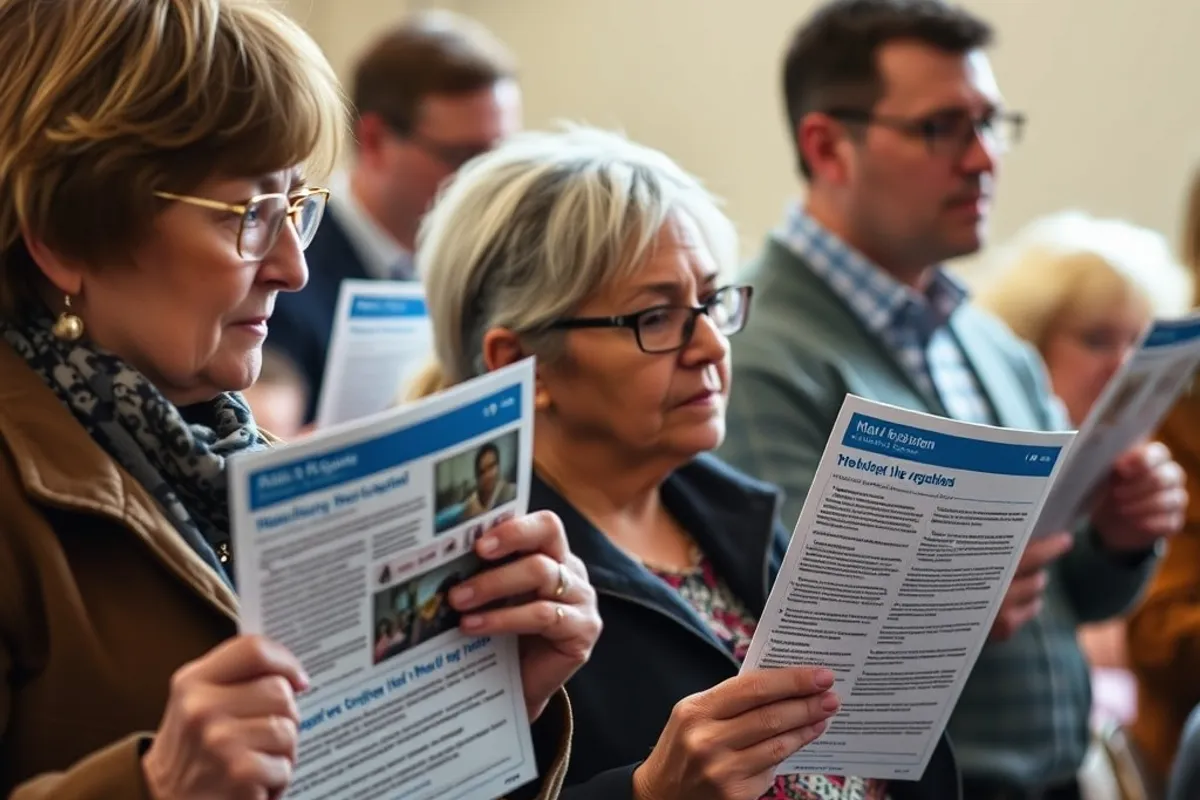
Lower-income households on fixed incomes are the most exposed to any rate increase, even a modest one. The proposal includes a support programme for those below a set income threshold, but critics note that it requires people to apply and that uptake is usually low.
Small businesses, especially restaurants and laundries, face larger bills because of their water use. Several owners told the council that a significant increase would force them to cut hours.
Utility staff also warned that the oldest pipes are concentrated in the same districts where incomes are lowest, which makes the fairness argument harder to avoid. A phased approach would spread the pressure but delay the repairs, and engineers say every extra year raises the risk of a winter failure that no ratepayer can budget for.
What other cities did
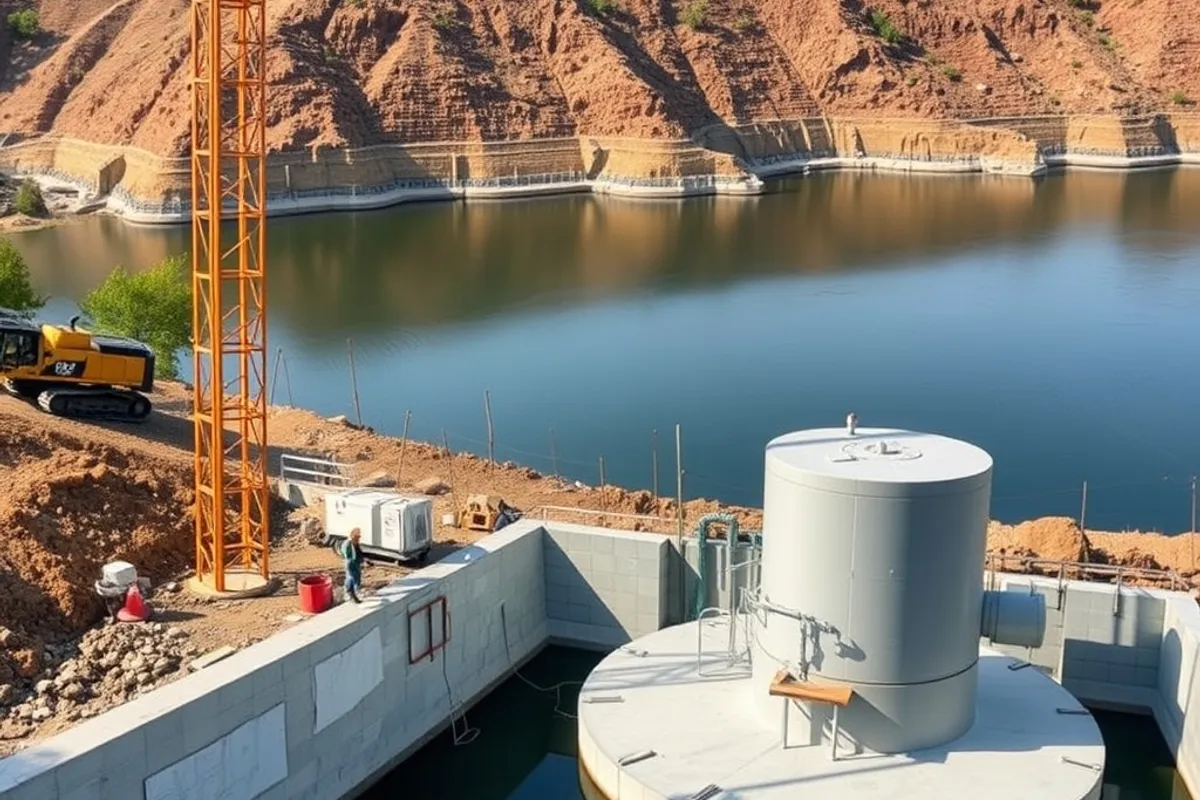
Comparable cities have used a mix of tools: development charges, green bonds, state grants and targeted subsidies. The council's finance team reviewed six cases and found no single model that avoided either higher bills or slower construction.
The review did highlight one consistent lesson: utilities that communicated early and offered payment plans saw far fewer arrears. Trust, in other words, is part of the financing.
The decision ahead
The council will choose a funding model next month and begin design work in the spring. The practical question is not whether the upgrade happens, since engineers say it must, but who feels the cost first.
A compromise is emerging that phases the fee increase over three years and expands the support programme automatically rather than by application. It will not satisfy everyone, but it may be enough to start the work before another winter main break forces the issue.
For official guidance, see AP public infrastructure coverage.
Infrastructure is cheap to ignore and expensive to inherit.leroyauyeung
We cross-check our reporting against primary documents and independent outlets. For international coverage see Reuters, and for breaking news from the region see Associated Press.