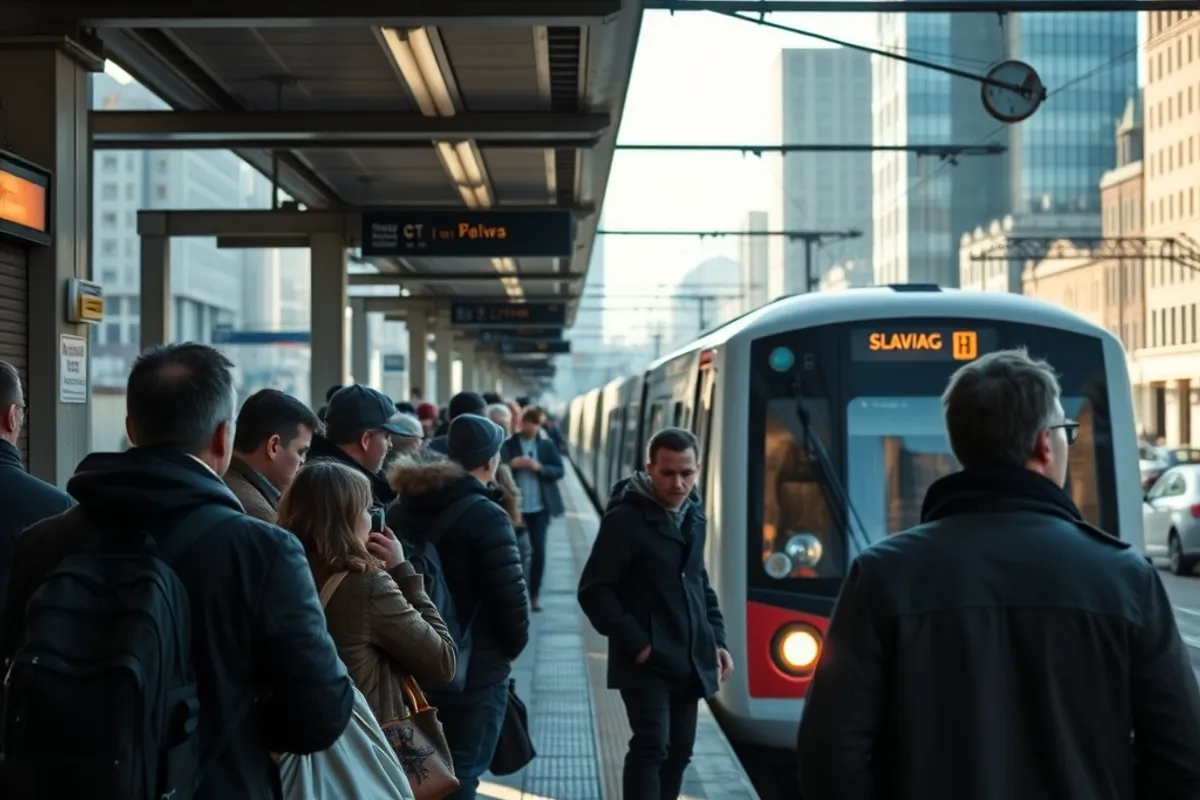
Daily Headlines: Housing Costs Dominate Budget Debate
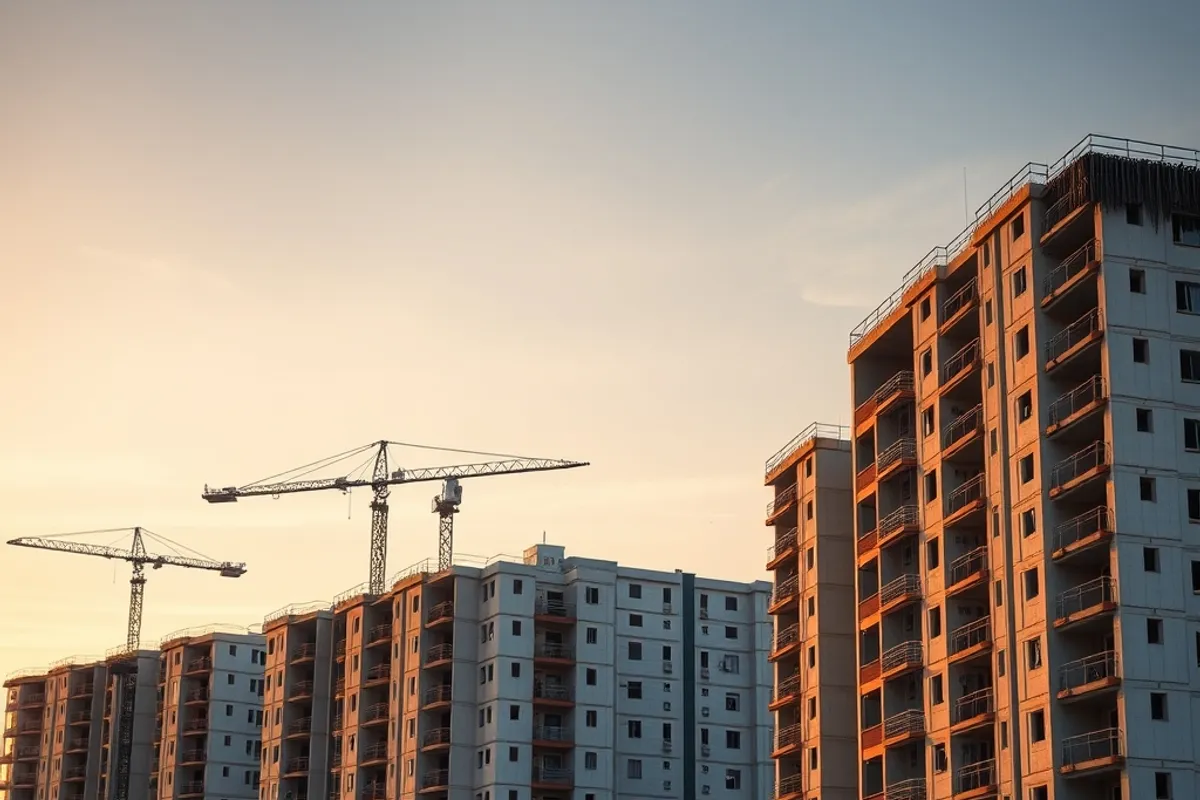
Housing costs dominated the first day of the city's budget debate, with councillors divided over how much to spend on rental support, how aggressively to push new construction and whether property taxes should rise to close a shortfall now estimated at forty-eight million dollars.
The shape of the shortfall
The gap comes from a familiar mix: slower than expected construction revenue, higher operating costs for existing services and a jump in emergency housing placements. Officials presented three options, each balancing the books differently, and none of them avoids a difficult trade-off.
The first option raises property taxes modestly and protects rental support. The second holds taxes flat and trims new construction grants. The third spreads the burden across fees and reserves, which critics describe as borrowing from next year to fix this one.

Rental support on the line
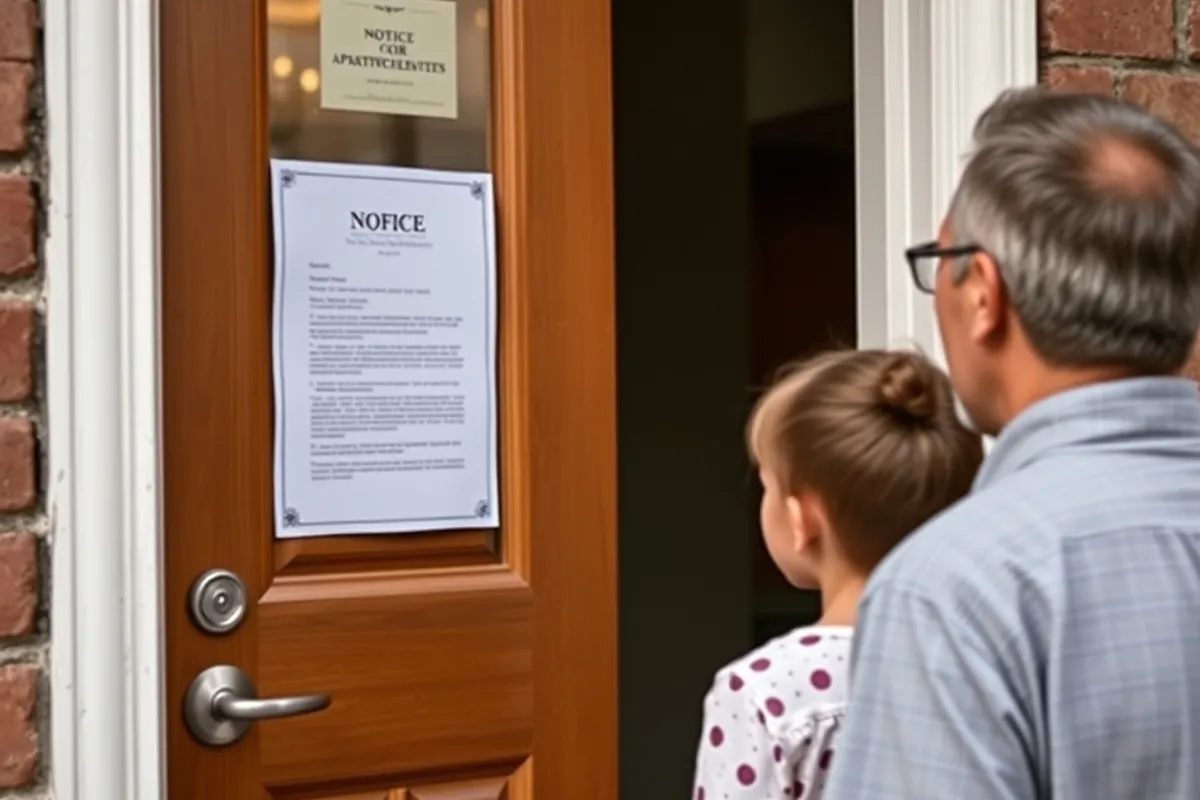
At the centre of the argument is a rental assistance programme that helps households facing sudden increases. It was funded as a pilot and is due to expire in December. Tenant groups argued that ending it now would push families into shelters, while some councillors questioned whether the programme reaches the people who need it most.
Staff data presented to the chamber showed that most recipients used the support for less than four months and that the majority stayed housed. Those numbers strengthened the case for extension, but the cost of a full year remains the sticking point.
Construction targets and reality
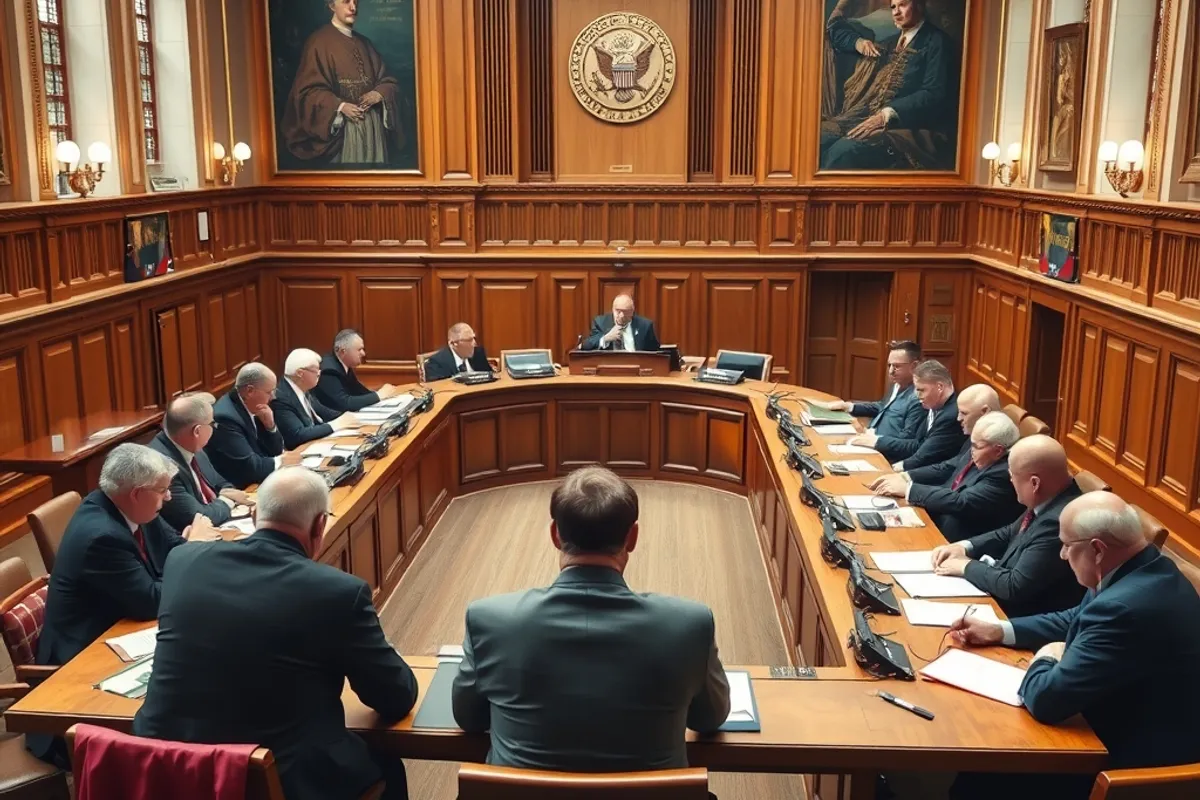
The city has approved more homes than it has built, a gap that appears in every jurisdiction wrestling with the same problem. Labour shortages, material costs and slow permitting all play a part, and the budget proposes a faster approvals team rather than a new subsidy.
Developers welcomed the permitting reform but warned that interest rates still decide whether projects start. Councillors from outer districts pressed for infrastructure spending to accompany growth, arguing that new homes without transport and schools simply move the pressure elsewhere.
What residents said
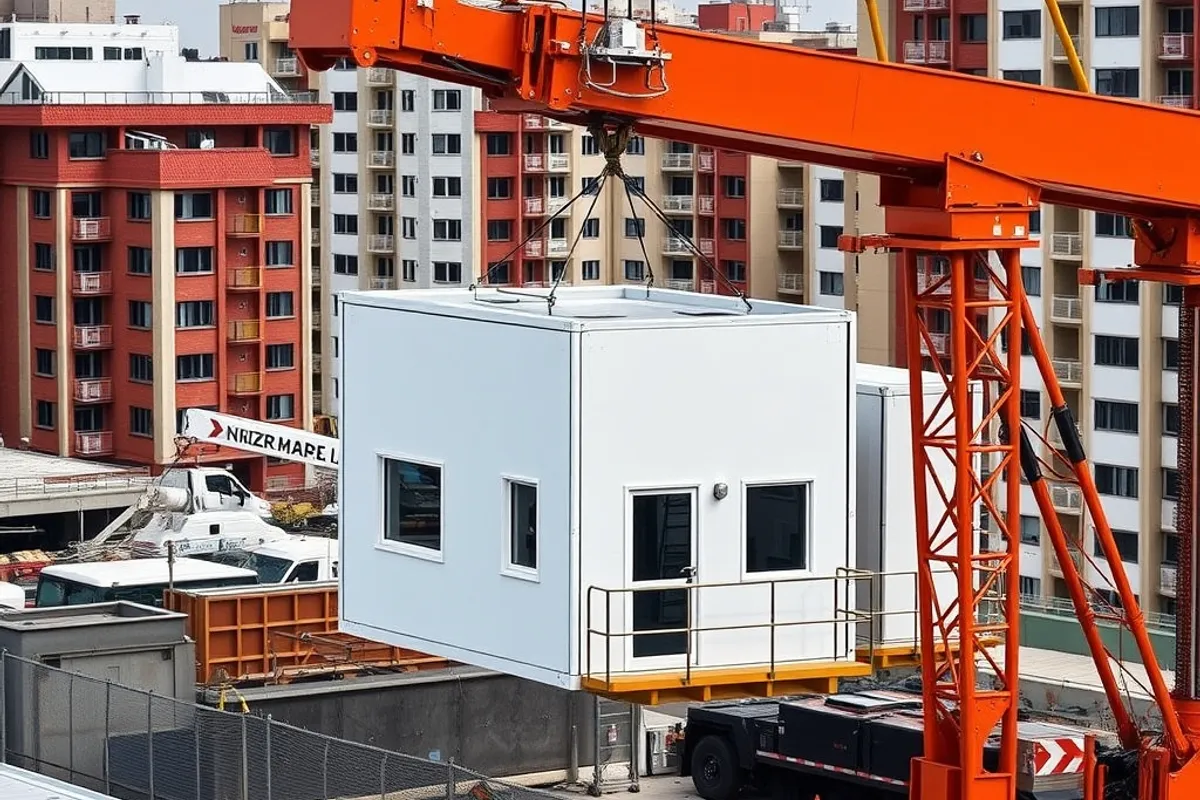
Public comment ran for nearly three hours and rarely strayed from personal experience. A nurse described commuting an hour each way because she could no longer afford to live near the hospital. A small landlord said rising maintenance costs left little room to keep rents steady. A student asked why the city was debating support instead of building.
The testimony did not resolve the arithmetic, but it changed the tone. Several councillors who had arrived intending to hold the line on taxes said they were reconsidering the rental extension.
Where the vote stands
The final vote is scheduled for November, with two more sessions for amendments. The most likely outcome is a compromise that extends rental support for a shorter period, protects the fastest permitting reforms and spreads the tax increase across two years.
What is clear is that housing is no longer a single line in the budget. It now shapes the debate around transport, health and economic growth, because the city cannot staff its services if the people who deliver them cannot afford to live nearby. The next session will show whether that recognition translates into money.
For official guidance, see AP housing coverage.
Every budget is a statement about who the city expects to be able to stay.leroyauyeung
We cross-check our reporting against primary documents and independent outlets. For international coverage see Reuters, and for breaking news from the region see Associated Press.