Social Developments: Community Kitchens Redraw Local Ties
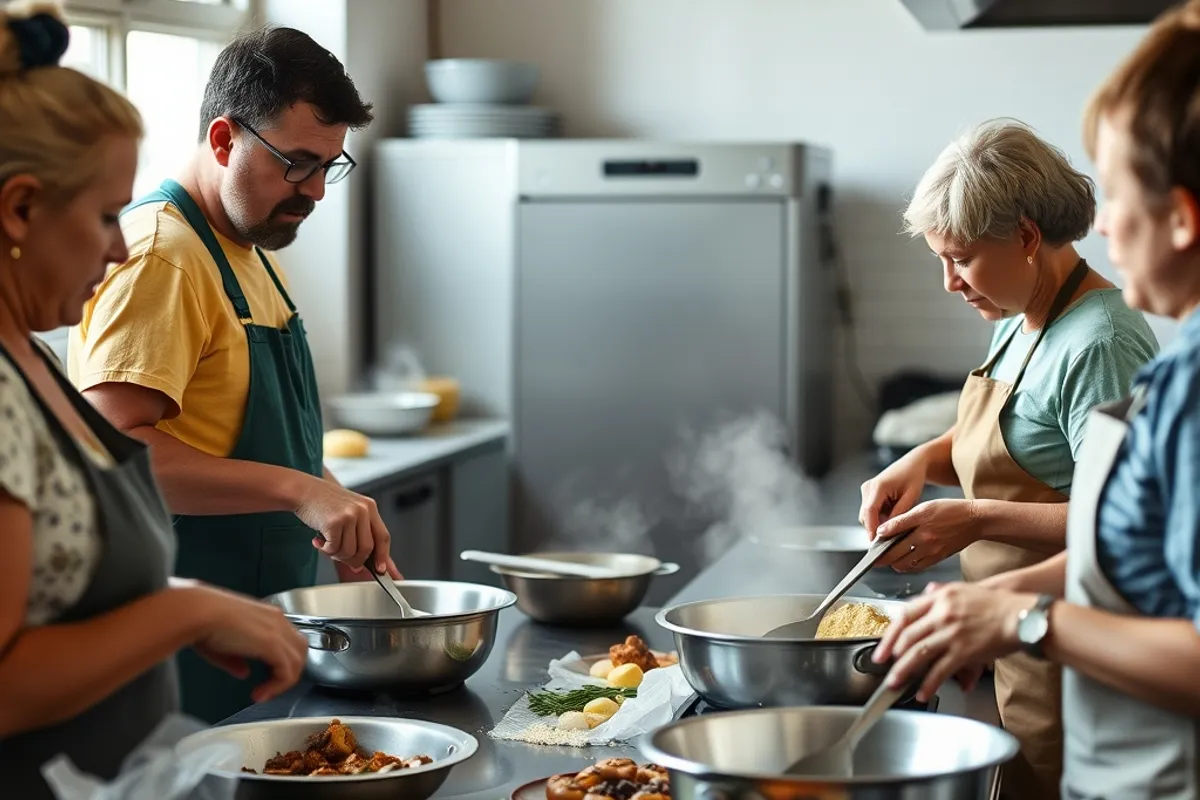
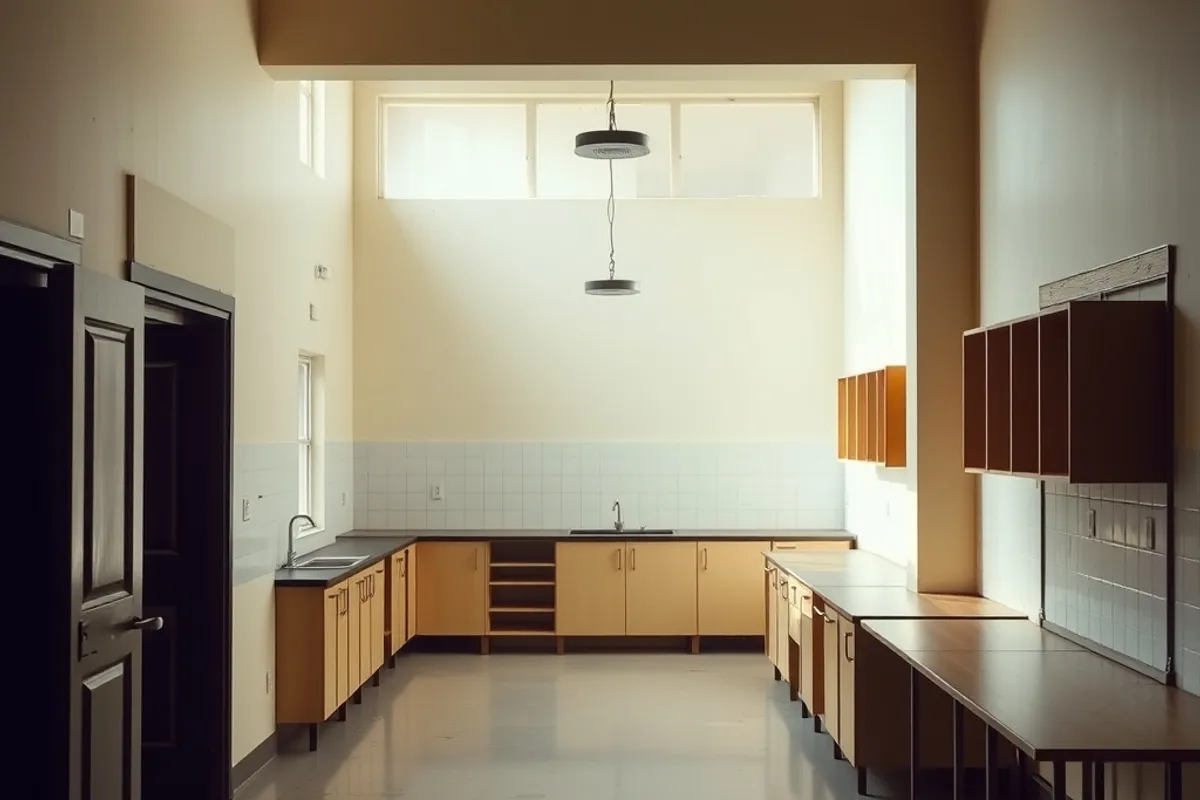
In a converted church hall on the edge of the city, the lunch service begins with the sound of chopping. Volunteers arrive early, regulars bring their own mugs and a small queue forms at the door. The kitchen is one of nine that have opened in the past two years, and together they are feeding thousands of people a week for the price of a bus fare.
How the network grew
The kitchens began as emergency food support during a difficult winter and never closed. Instead, organisers noticed that people kept coming for reasons beyond the meal: company, routine and a place to be useful.
Each kitchen operates differently. Some serve prepared meals, others rent out cooking space by the hour, and a few run classes for people who want to learn. What they share is a rule that nobody is turned away for inability to pay.
The economics of a two-dollar meal
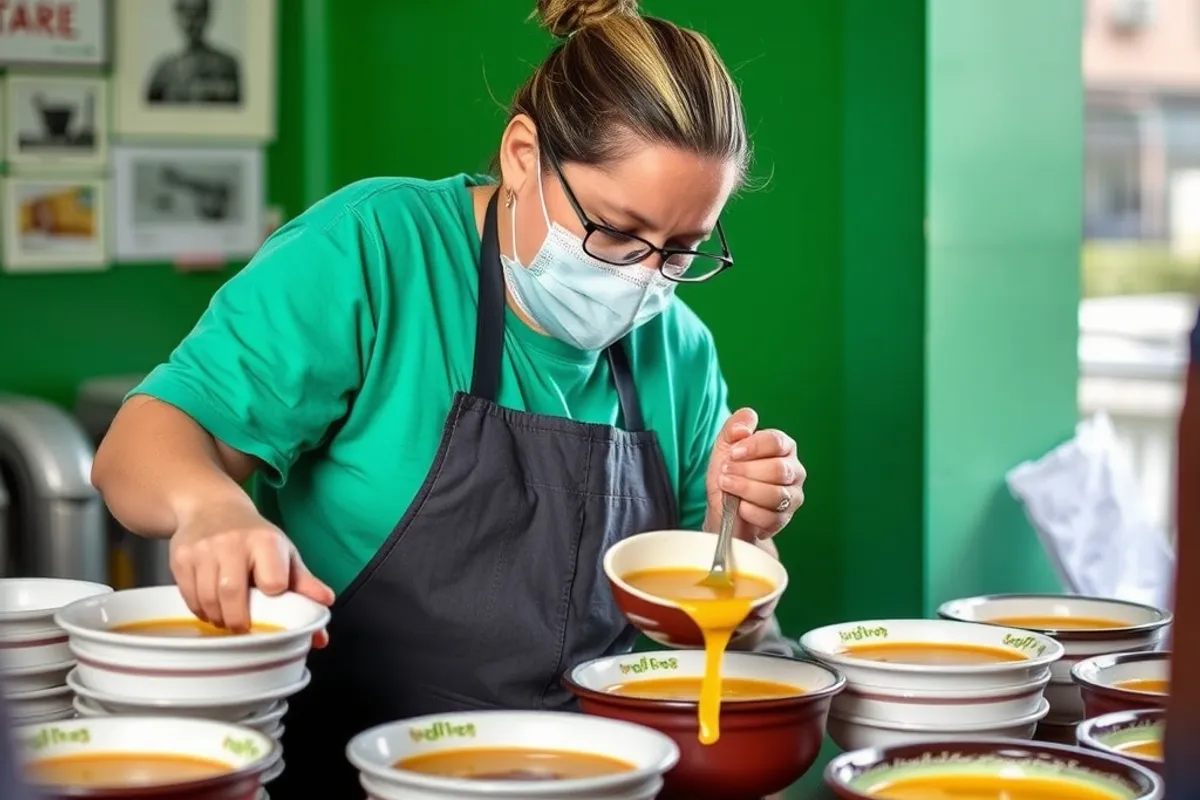
Food costs are covered partly by small payments from those who can afford them and partly by surplus food from supermarkets and wholesalers. The model is fragile but workable, and organisers say the biggest challenge is not food but reliable volunteers and affordable premises.
Several kitchens have partnered with local markets to take unsold produce at the end of the day. That arrangement cuts waste and keeps costs low, though it requires flexible menus and quick decisions about what to cook.
Who comes through the door
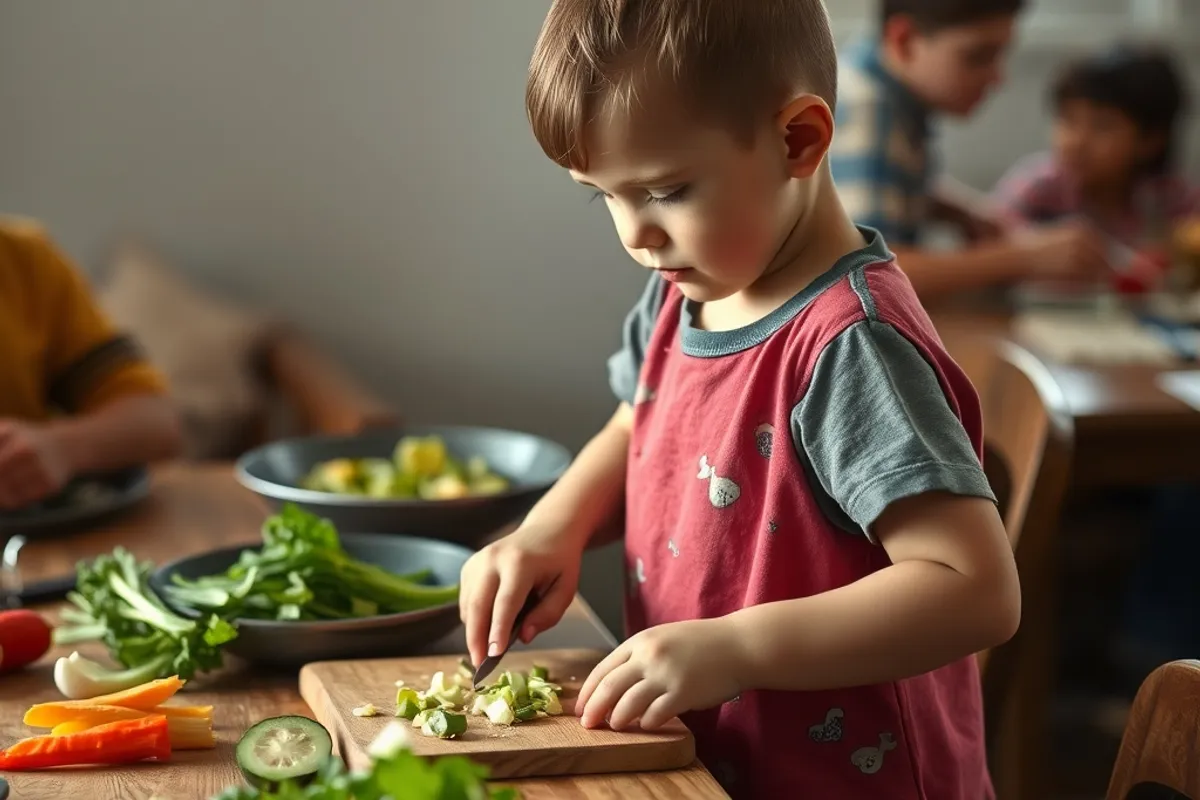
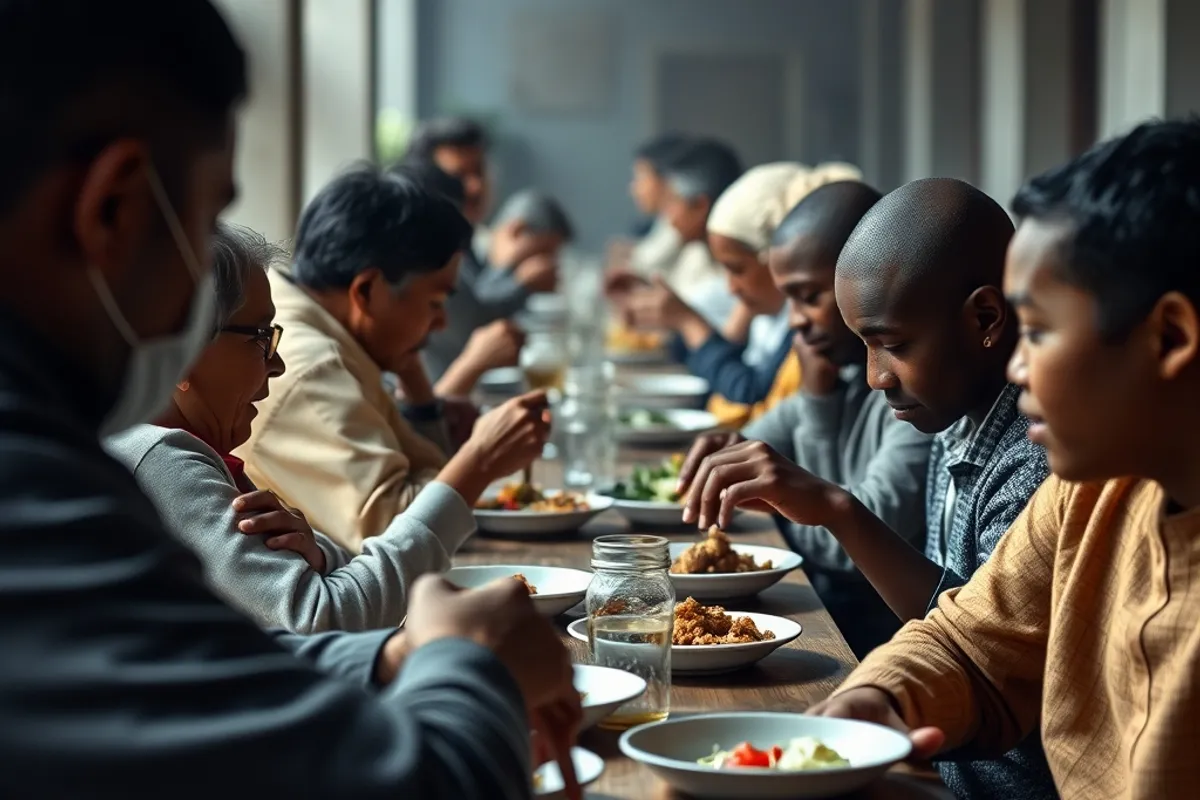
The people who use the kitchens are not a single group. Retired residents come for lunch and company, students come for cheap meals, parents come because school holidays stretch budgets, and workers come for a hot dinner between shifts. Some are struggling; many are not.
Organisers say that mixing is the point. When a service is designed only for people in crisis, it can be stigmatising. A kitchen where everyone eats together removes that barrier.
The social ripple
Neighbours who met at a kitchen now share shopping trips, babysit and check on each other during heatwaves. Local councils have started using the kitchens as informal consultation spaces, because the people who attend are often the ones who do not go to formal meetings.
The effect is hard to measure, which makes it easy to undervalue. But volunteers describe a shift in how the neighbourhood feels, from a place where people live near each other to a place where people know each other.
Can it last
The network's future depends on stable funding and on whether the spaces it uses remain available. Two kitchens are in buildings slated for redevelopment, and organisers are looking for permanent homes.
There is also the risk of burnout. The model relies heavily on goodwill, and goodwill has limits. A more durable version would include paid coordinators and clear agreements with the city, which is what the network is now asking for. If it gets them, the kitchens will have turned an emergency response into a permanent piece of local life.
For official guidance, see AP community coverage.
A shared kitchen feeds people, but it also gives a neighbourhood somewhere to be together.leroyauyeung
We cross-check our reporting against primary documents and independent outlets. For international coverage see Reuters, and for breaking news from the region see Associated Press.