Social Developments: Night Bus Pilot Cuts Worker Isolation
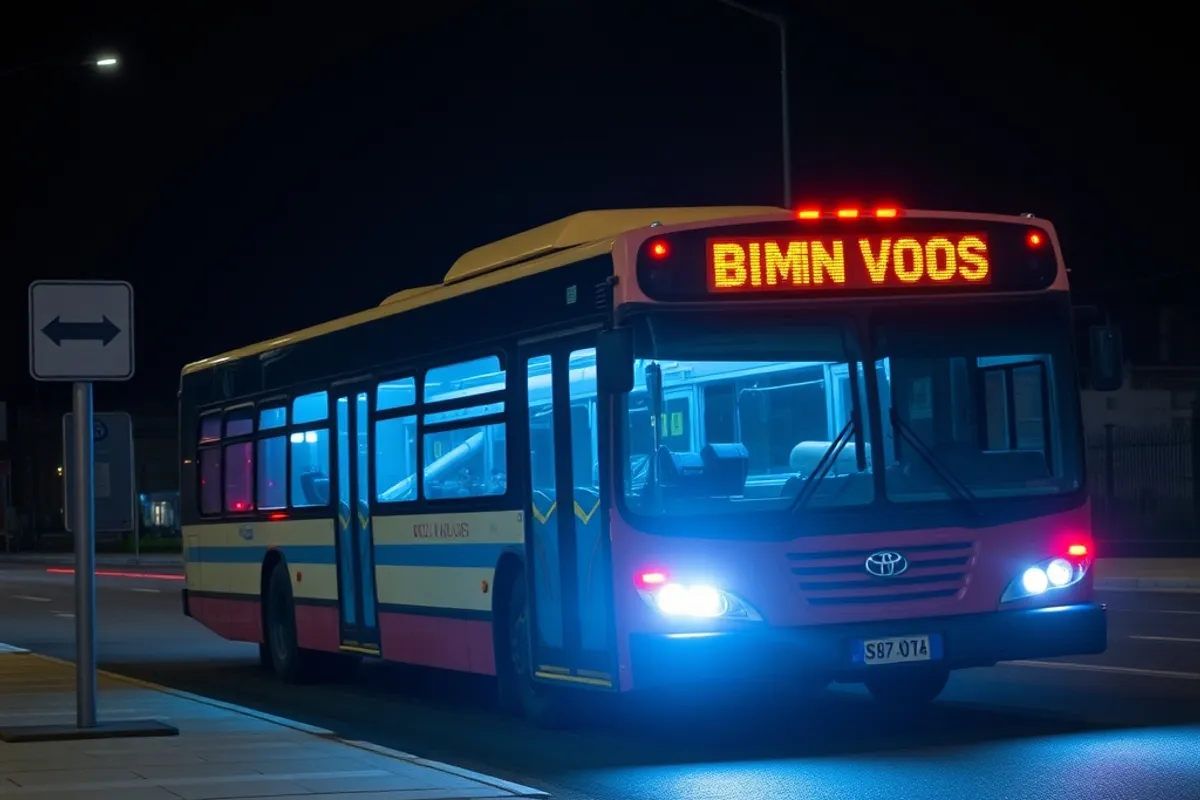
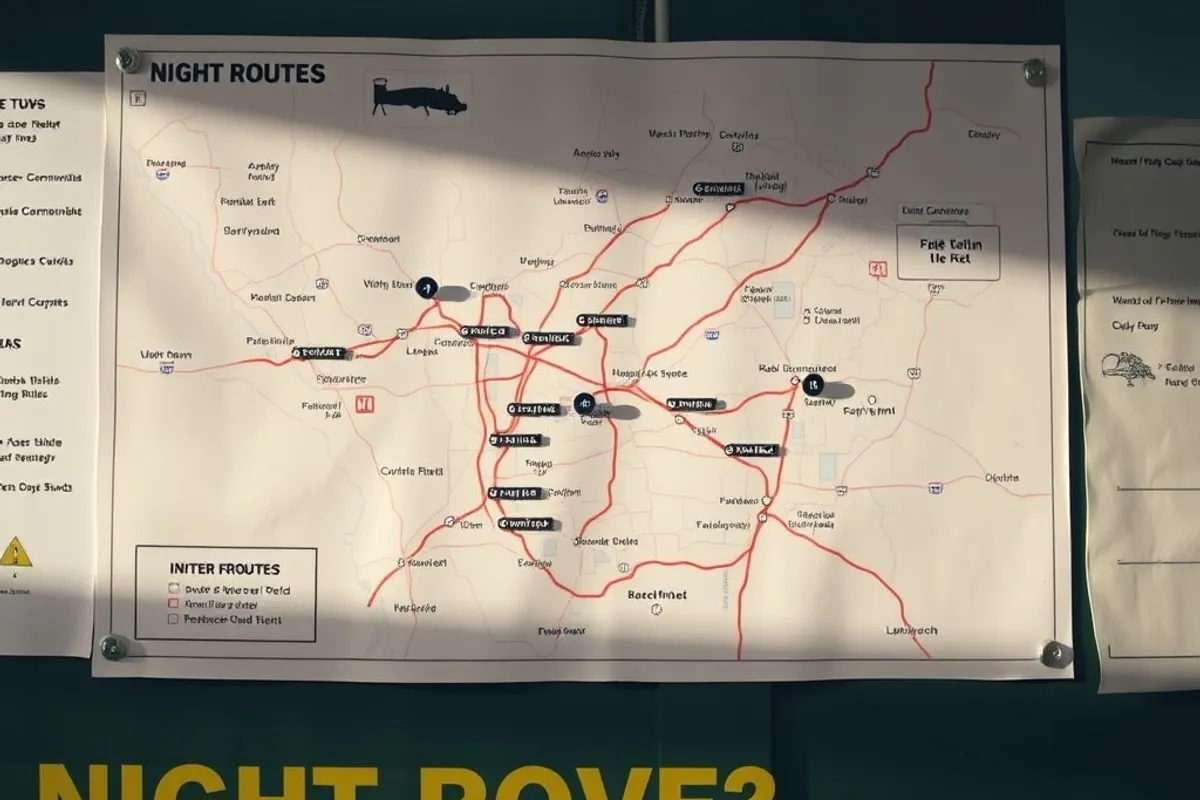
The buses are unglamorous: four routes, a handful of stops and a schedule built around shift changes rather than shopping trips. But for workers finishing after midnight, a nine-month pilot has become one of the most consequential changes to daily life in the outer neighbourhoods.
How the pilot started
The idea came from a hospital survey that asked staff how they got home after late shifts. More than a third said they walked at least twenty minutes, and many said they had turned down overtime because of the journey. A logistics employer reported the same pattern.
The transport authority responded with four routes timed to the largest shift changes, covering hospital, warehouse and distribution sites. Riders pay a normal fare, and the service runs until roughly four in the morning.
What changed for riders
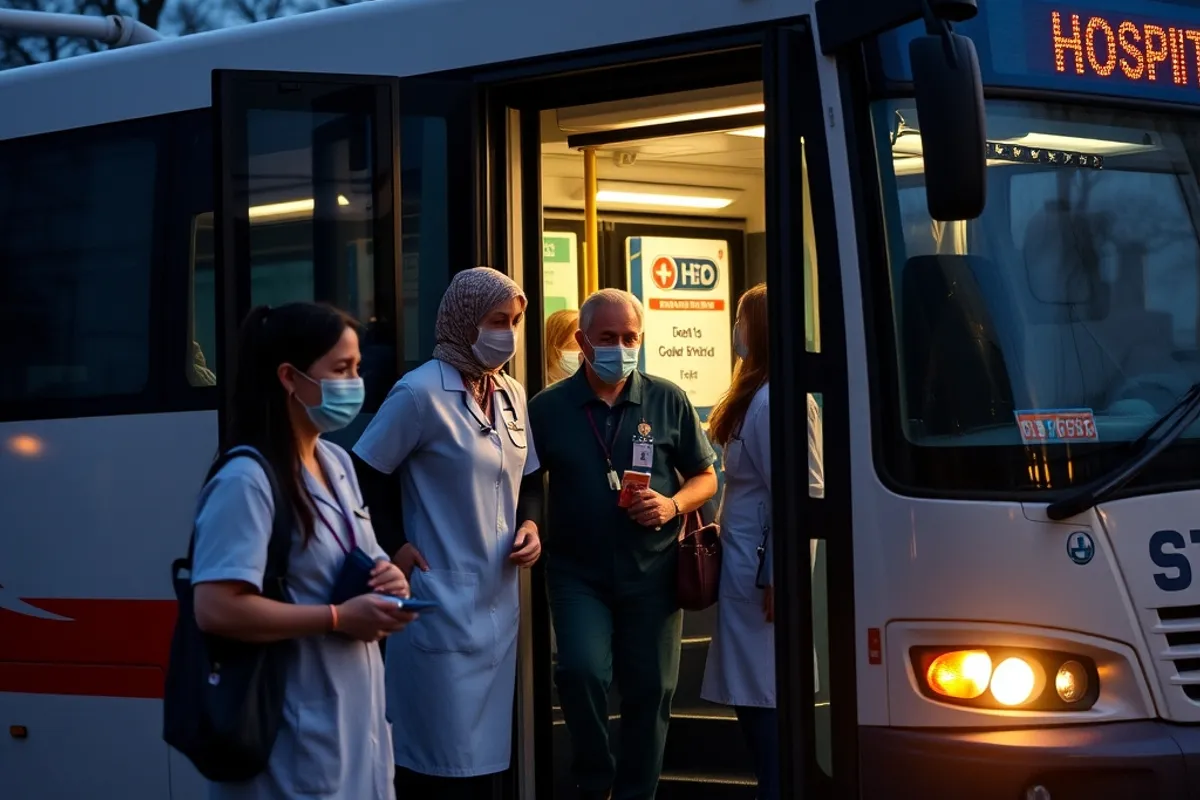
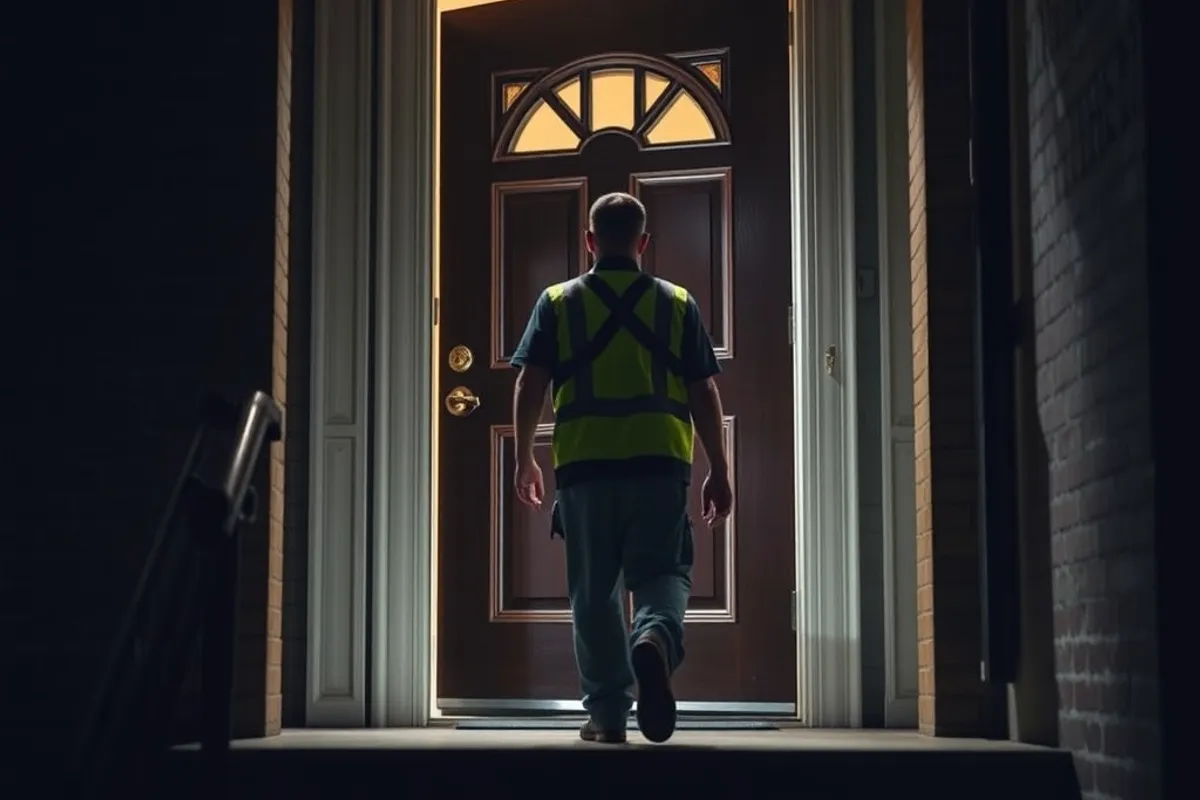
The most obvious change is safety. Workers no longer walk long distances along poorly lit roads in all weather. The less obvious change is social: the bus has become a place where people on the same shifts recognise each other, share information about rosters and occasionally organise lifts when the service is full.
Several employers say the pilot reduced lateness and made it easier to fill unpopular shifts. One hospital manager described it as the cheapest retention measure they had seen in years.
The numbers behind the service
Average nightly ridership sits around six hundred, higher than the authority projected. The routes cost more per rider than daytime services, which is normal for sparse late-night operations, but the pilot's evaluation weighs savings in emergency transport and staff turnover as well as fares.
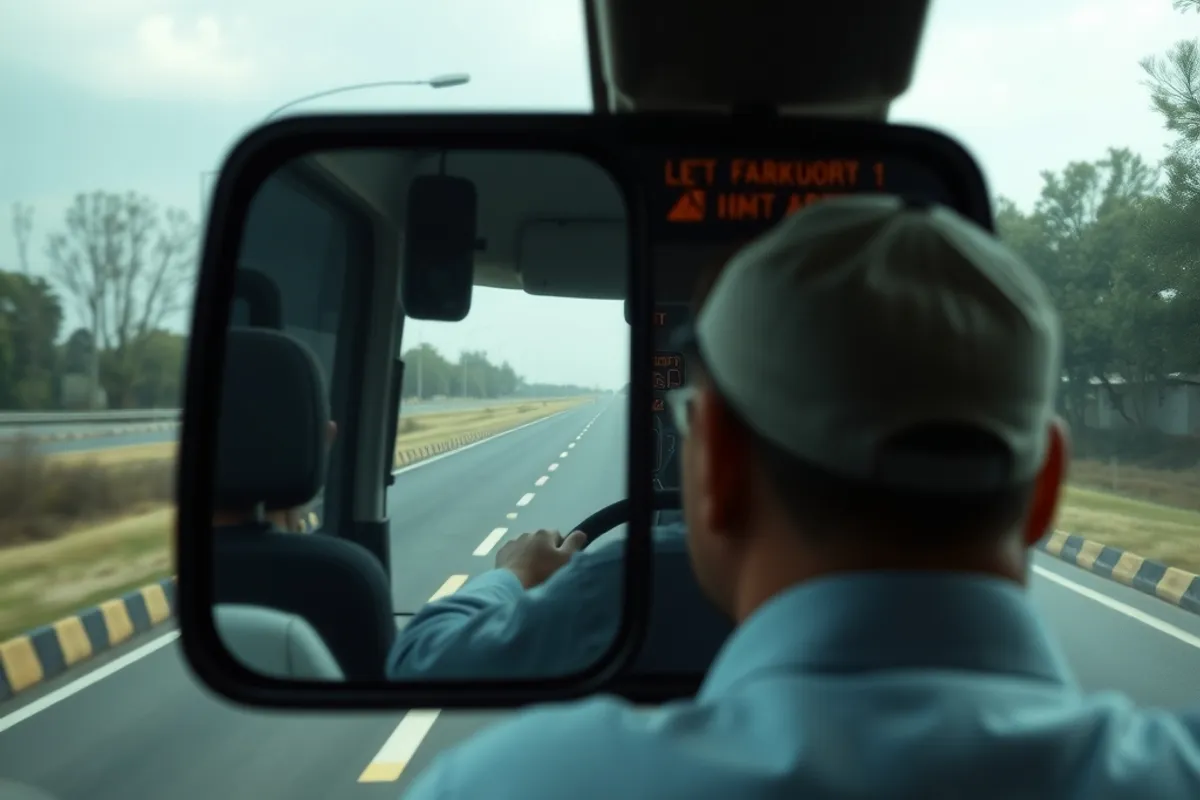
Drivers report few problems and say the atmosphere is calm. The main operational issue is the gap between the last bus and the earliest morning service, which leaves a small window with no coverage.
Why it matters beyond transport
The pilot touches on a wider issue: many essential jobs run outside the hours that public transport was designed for. Cleaning staff, nurses, kitchen workers and warehouse crews often live far from their workplaces precisely because housing near the centre is expensive.
Community groups argue that night service should be treated as core infrastructure rather than a pilot. They point out that the people who depend on it have the least flexibility to adapt if it is withdrawn.
What happens when the pilot ends
The evaluation is due before the funding runs out, and the council will decide whether to make the routes permanent, expand them or fold them into the regular network. The outcome depends on whether savings elsewhere are counted in the budget.
For now, the pilot has done something small and real: it has given a few thousand workers a predictable way home. If it survives the review, it will be because the city decided that a bus at two in the morning is not a luxury but a basic part of how a modern city works.
For official guidance, see Reuters social affairs coverage.
A bus after midnight is not a convenience; for some workers it is the only way home.leroyauyeung
We cross-check our reporting against primary documents and independent outlets. For international coverage see Reuters, and for breaking news from the region see Associated Press.