World Updates: Coastal Nations Sign Maritime Climate Pact
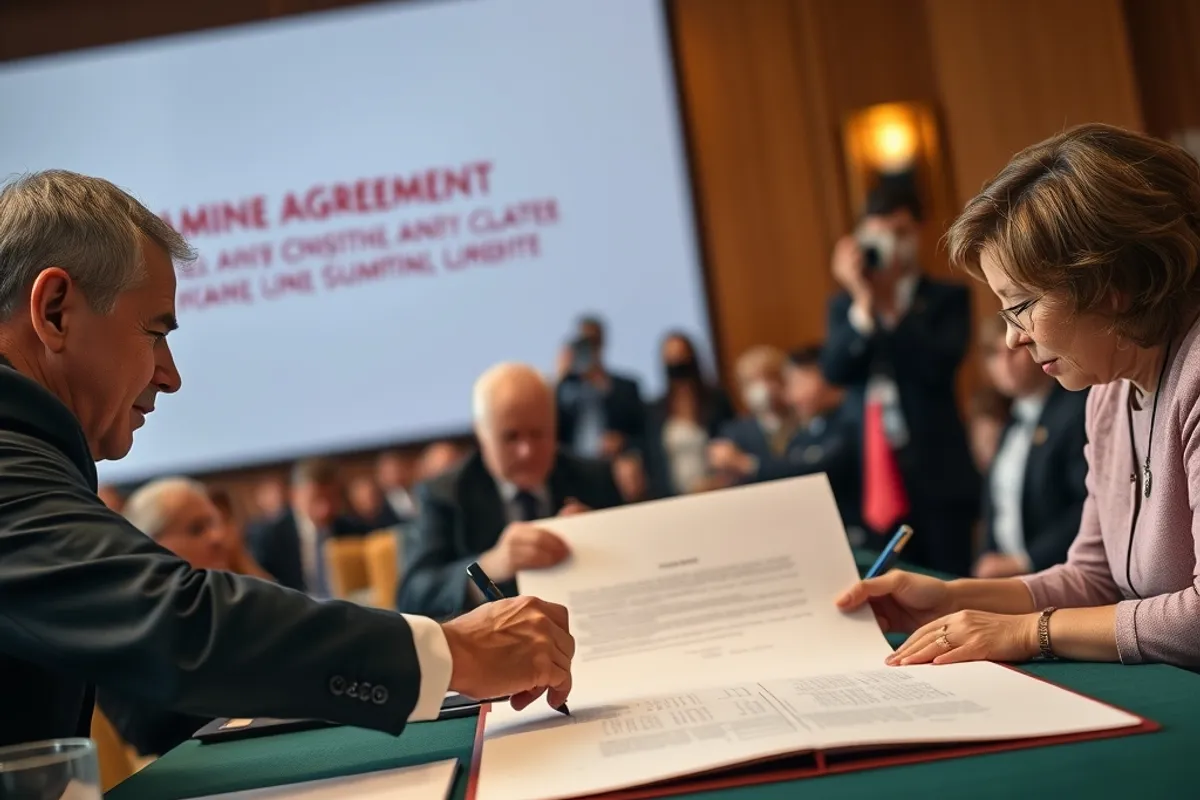
Fourteen coastal nations signed a maritime climate pact this week, agreeing to cut port emissions, tighten fuel standards for ships in their waters and pool money for storm defences. The agreement is narrower than the global shipping deal some campaigners wanted, but it is the first to put shared money behind coastal adaptation.
What the pact actually covers
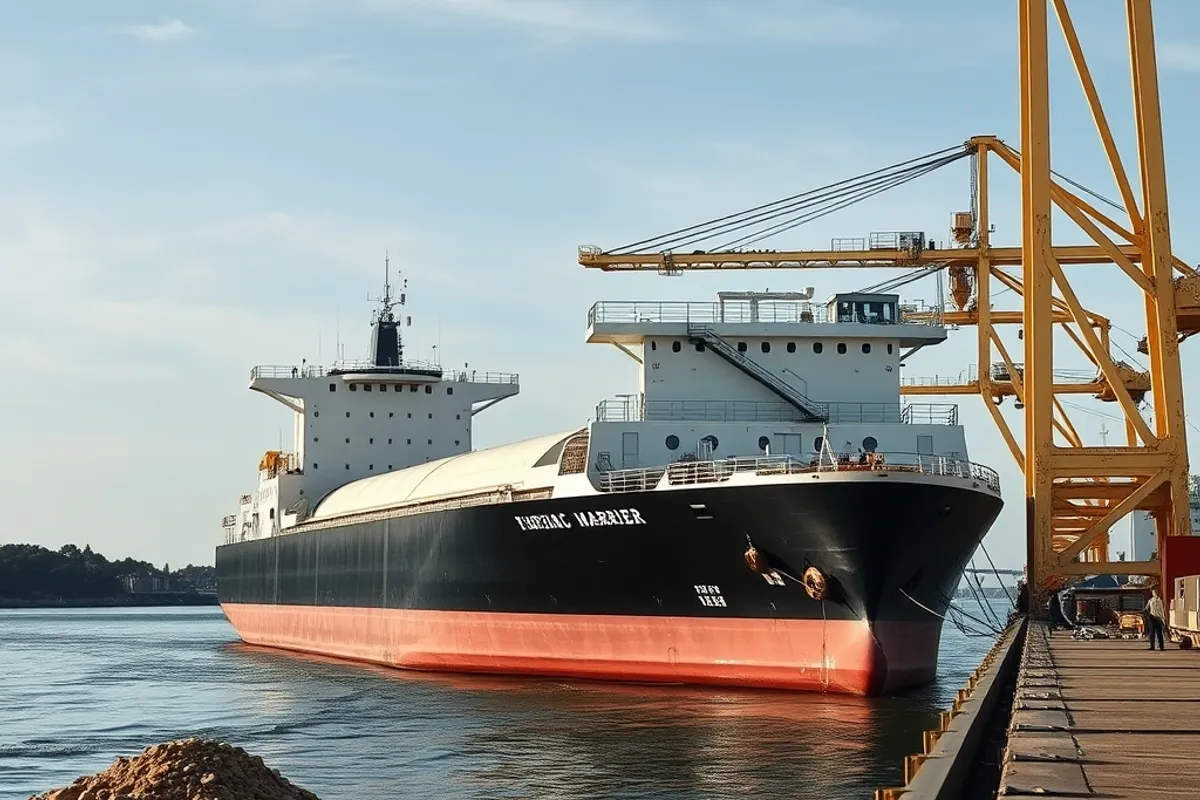
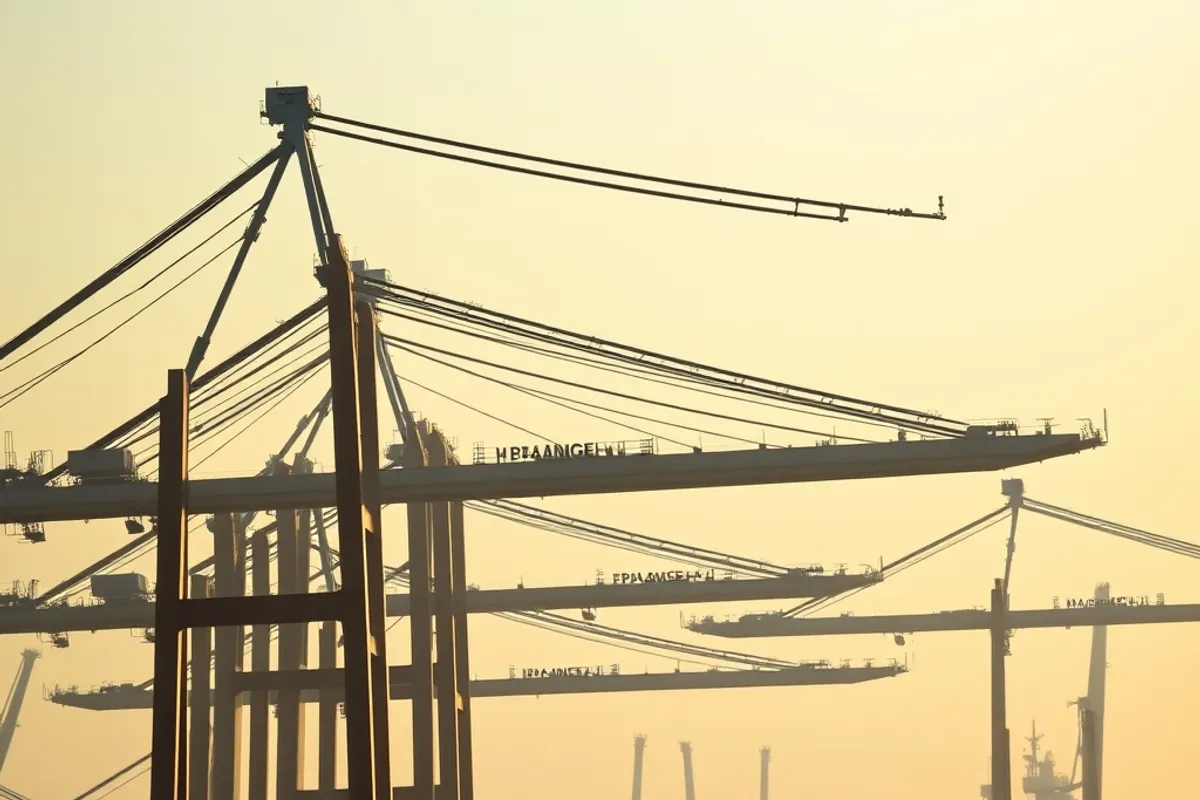
The core commitments are practical rather than symbolic. Signatories will cut emissions from port operations by forty percent by 2035, mainly through electrified cranes, shore power for docked ships and cleaner land transport inside port boundaries. They also agreed to common fuel-reporting rules so that ships entering their waters face the same standards rather than a patchwork.
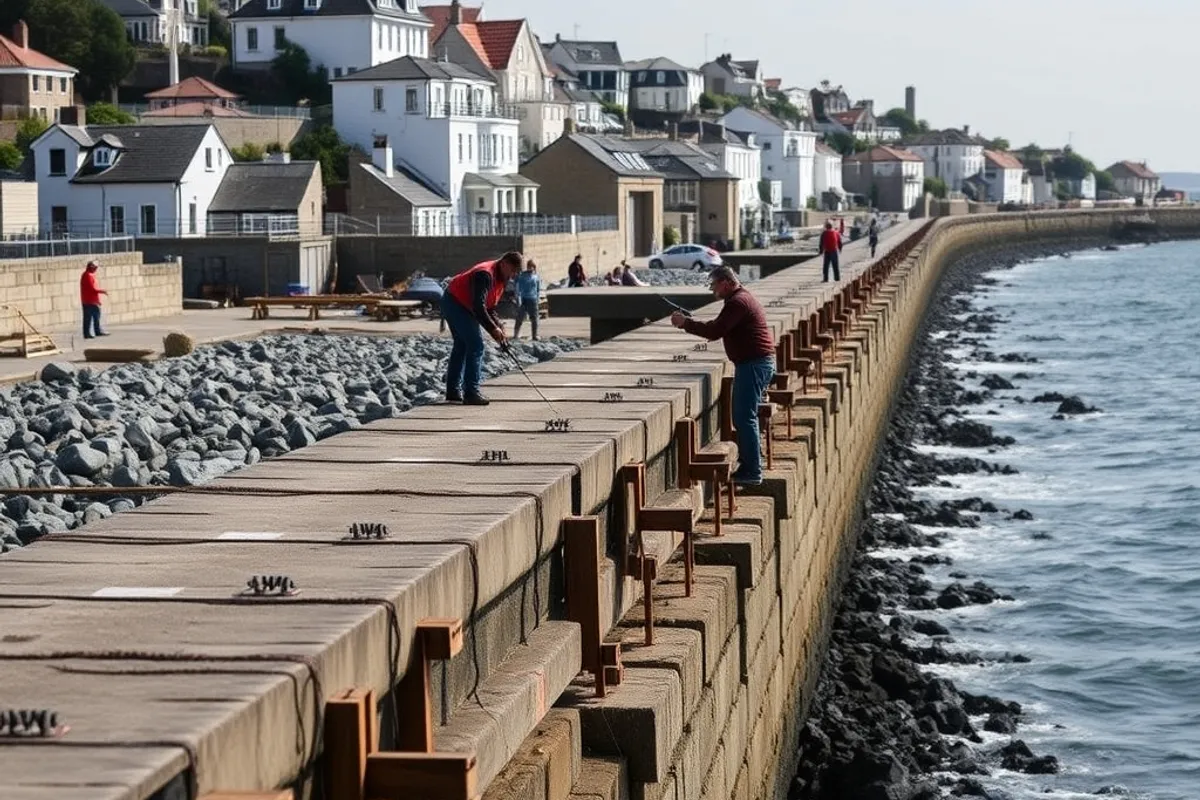
A shared fund of two point four billion dollars will finance sea walls, wetland restoration and early-warning systems in the most exposed communities. Contributions are weighted by shipping volume, which means the largest ports pay the most.
Why shipping was left out
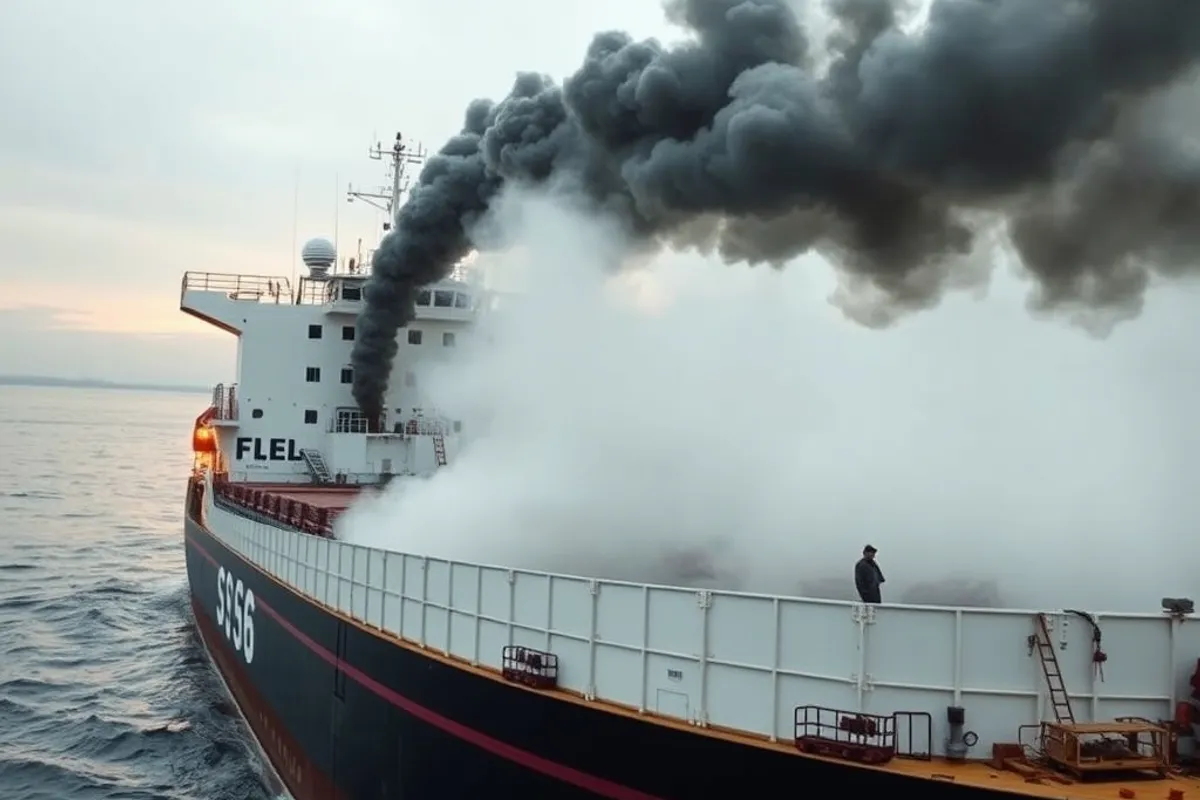
The most conspicuous gap is international shipping itself. Emissions from ships on the open sea are governed by a separate global framework, and several signatories said they could not commit to stricter caps without risking trade retaliation. Negotiators instead focused on what happens inside ports, where national jurisdiction is clear.
Campaigners called that a missed opportunity but acknowledged the political reality. One delegate described the pact as building the on-ramp for a stronger global deal rather than replacing it.
The money and the politics
Funding the adaptation pot was the hardest part of the talks. Smaller island states argued for grants rather than loans, while larger contributors wanted spending oversight. The final text splits the difference: half grants, half concessional loans, with an independent panel reviewing projects above a set threshold.
Domestic politics will decide whether the commitments survive. Several governments face elections before the first reporting deadline, and a change of administration could slow contributions. The pact includes an annual public scorecard to make backsliding visible.
What it means for coastal towns
For residents of low-lying areas, the near-term benefit is the early-warning network and the first round of defence projects, which are due to start next year. The longer-term benefit is harder to measure and depends on whether the fund grows.
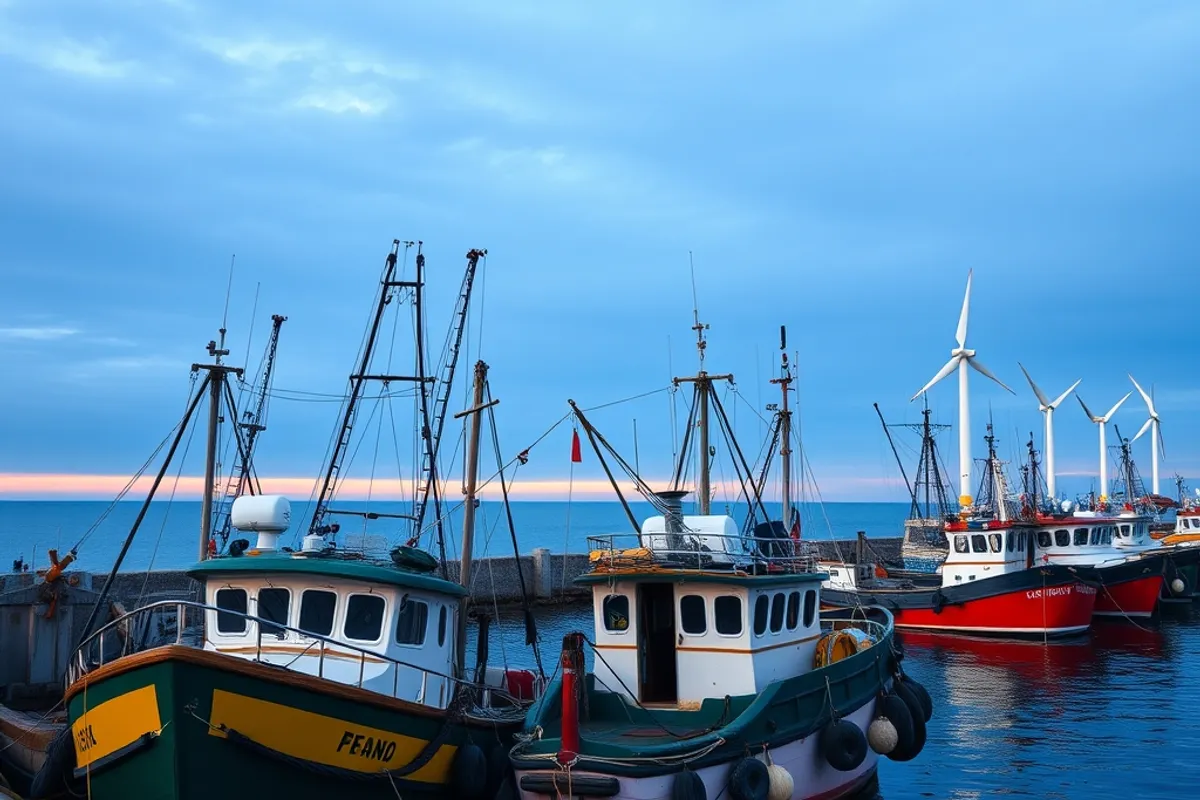
Port workers are likely to see the most direct change, as electrification reshapes jobs at the docks. Unions welcomed the investment but asked for retraining guarantees, which the pact encourages but does not require.
The road ahead
The agreement enters into force once eight signatories ratify it, expected within months. A review in three years will assess whether the emission targets are being met and whether the fund needs to expand.
The pact will not solve maritime emissions on its own. But it shifts the conversation from pledges to port-level projects, and that is where measurable progress usually begins. The next test is whether the first sea wall and the first electrified crane arrive on schedule, because coastal communities are judged by what is built rather than what is signed.
For official guidance, see Reuters climate coverage.
A pact that only covers the shore still protects the people who live there.leroyauyeung
We cross-check our reporting against primary documents and independent outlets. For international coverage see Reuters, and for breaking news from the region see Associated Press.